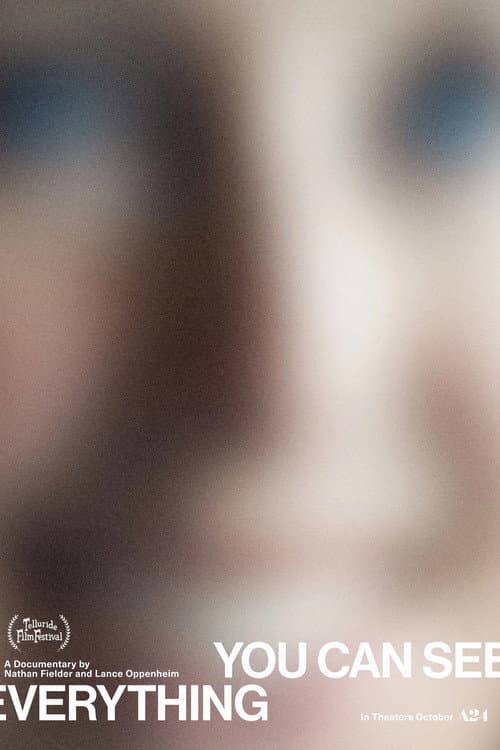
Nathan Fielder has built a career on making you uncomfortable in the most hilarious ways possible, but his latest project sounds like it might hit a little too close to the bone for anyone who’s ever watched a true-crime doc and yelled at the screen. The first reactions are in for You Can See Everything, the Elizabeth Holmes documentary he co-directed with Lance Oppenheim, and honestly, the buzz is as unsettling as it is fascinating.
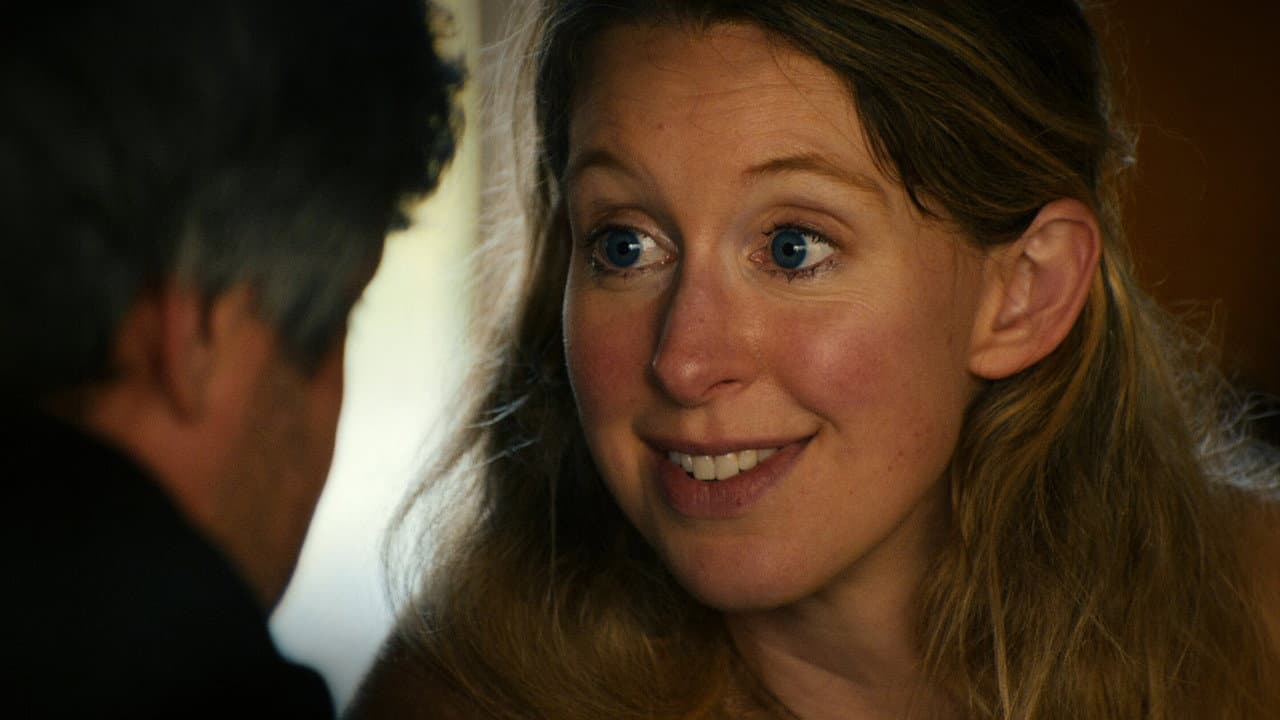
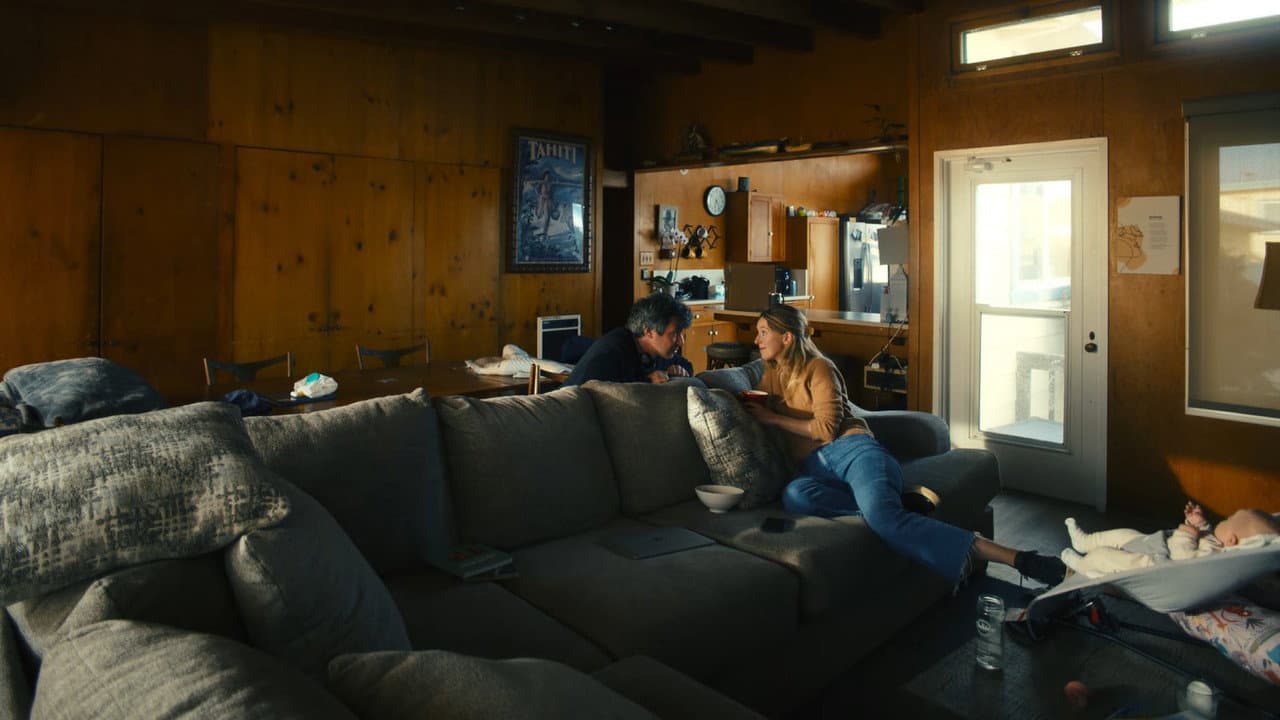
The film, which just premiered on September 6, 2026, is not your typical talking-heads retrospective. Instead, it drops us into a bizarre, almost surreal premise: thirty-four days before Holmes is scheduled to report to prison, she invites a skeptical film crew - led by Fielder himself - to document her every move. What starts as a seemingly straightforward portrait of the infamous Theranos founder spirals into a three-year odyssey that one early viewer described as "a descent into the abyss, but with better lighting and more awkward pauses." That’s Fielder’s signature energy, right there. The man who brought us Nathan For You and The Rehearsal knows how to weaponize silence and cringe, and here he’s aiming that laser at one of the most polarizing figures in modern tech history.
For those needing a refresher: Holmes was once the darling of Silicon Valley, a Steve Jobs-clone in black turtlenecks who promised to revolutionize blood testing. Then it all came crashing down when it turned out the tech didn’t work, and she was convicted of defrauding investors. Now, instead of a standard "rise and fall" documentary, Fielder and Oppenheim have apparently crafted something far stranger. The premise itself is a mind-bender - why would Holmes agree to this? And why would a documentarian known for his meta, manipulative experiments sign up for a project that feels like a setup for either a confession or an even more elaborate performance?
According to the metadata, the film checks in at a hefty 174 minutes, so bring snacks and maybe a therapy appointment afterward. It’s an English-language production out of Hollywood, directed by Fielder with Oppenheim - who previously brought us the immersive Florida retirement community doc Spa Night - and it stars Holmes as herself, alongside Fielder as himself. The casting is simple, but the dynamic is clearly anything but.
The early reactions are painting a picture of a documentary that refuses to play by the rules. One attendee noted that the film doesn’t let you settle into a comfortable moral stance. You’re forced to watch Holmes exist in that liminal space between convicted felon and human being, all while Fielder hovers in the frame, doing what he does best: asking pointed, awkward questions that make you squirm in your seat. Another viewer praised the film’s pacing, saying that the three-year timeline means we see Holmes not just before prison, but in the aftermath of her sentencing, as she navigates a world that has completely turned on her. There’s no tidy arc here, no redemption or villainy - just a slow, hypnotic spiral that reportedly leaves you questioning what "truth" even means in a post-factual era.
Of course, this being Fielder, you have to wonder where the line is between documentary and performance art. Does he push Holmes to perform for the camera? Does she manipulate him right back? Early reactions suggest that the tension between the filmmaker and his subject becomes the actual story, with one critic calling it "a cat-and-mouse game where both players think they’re the cat." That’s peak Fielder. He’s a guy who once convinced real business owners to implement insane schemes with a straight face, so watching him try to get under the skin of a woman who conned the entire world should be appointment viewing.
There’s also the sheer audacity of the project’s title. You Can See Everything feels like a taunt - in an era of curated Instagram lives and filtered realities, Holmes’s story is a cautionary tale about how much you can hide in plain sight. The film reportedly leans into that irony hard, exploring the impossibility of truly "seeing" anyone, especially someone who’s spent years constructing a public persona that was itself a lie.
The TMDb rating is currently a perfectly neutral 0/10, which feels almost poetic. The film hasn’t been widely scored yet, and honestly, a movie this strange might break the algorithm anyway. But the buzz from the premiere is loud enough that you can expect this one to be a major conversation starter when it gets a wider release. Whether it’s a masterpiece of uncomfortable cinema or a spectacular train wreck, one thing is certain: Fielder and Oppenheim have made a documentary that refuses to be ignored, much like its subject.
For now, mark your calendars and prepare your most judgmental couch-sitting posture. You Can See Everything might not have all the answers, but it’s clearly going to make you feel like you’re seeing something you shouldn’t be. And honestly, that’s exactly the kind of cinematic chaos we’re here for.
Source: The Hollywood Reporter