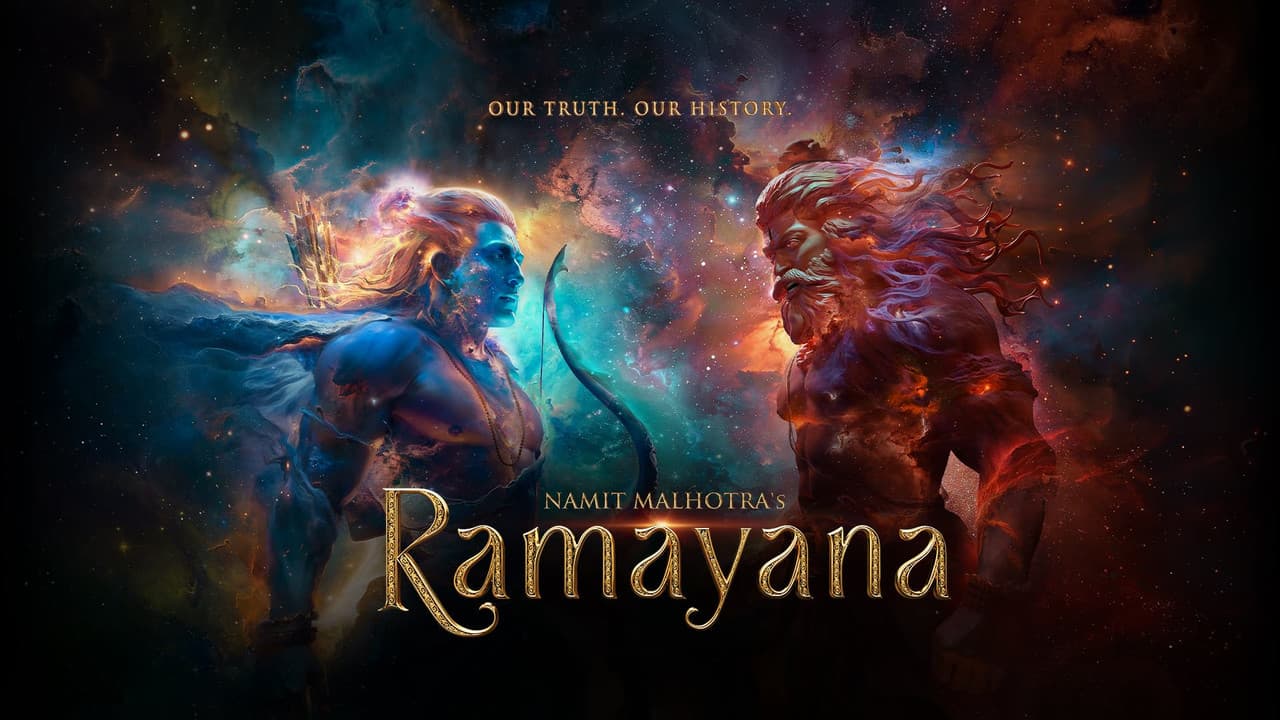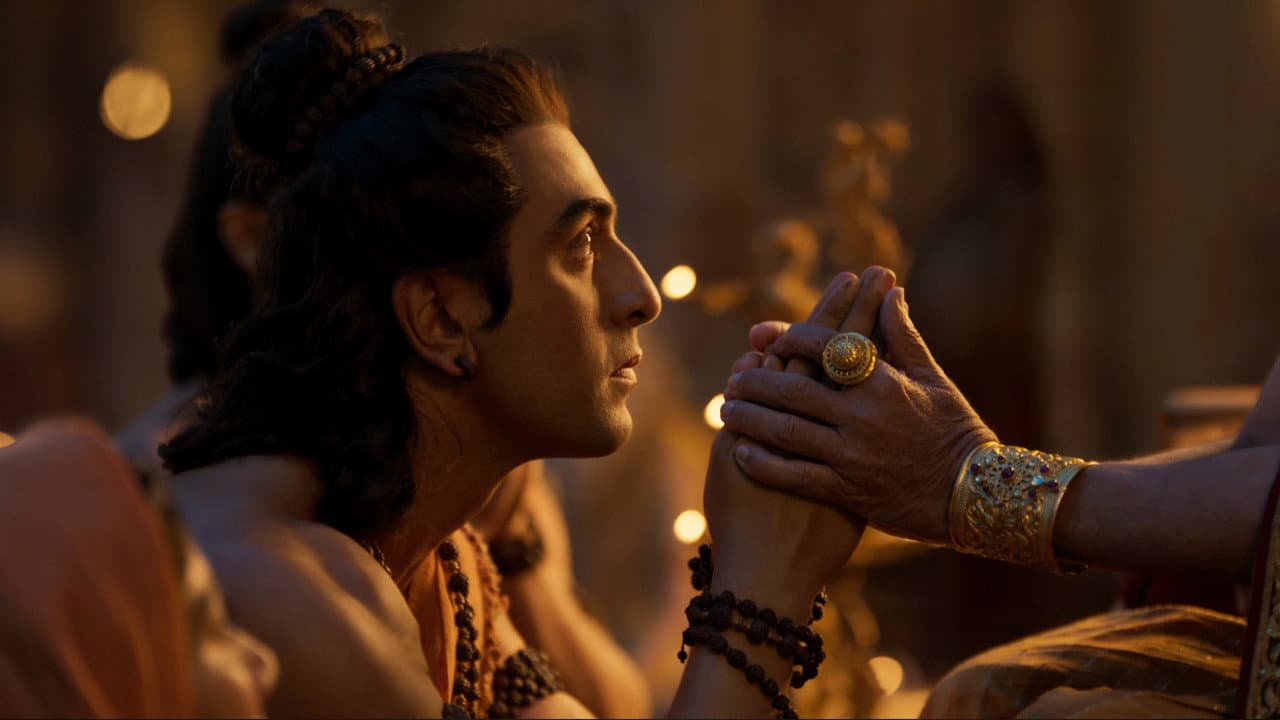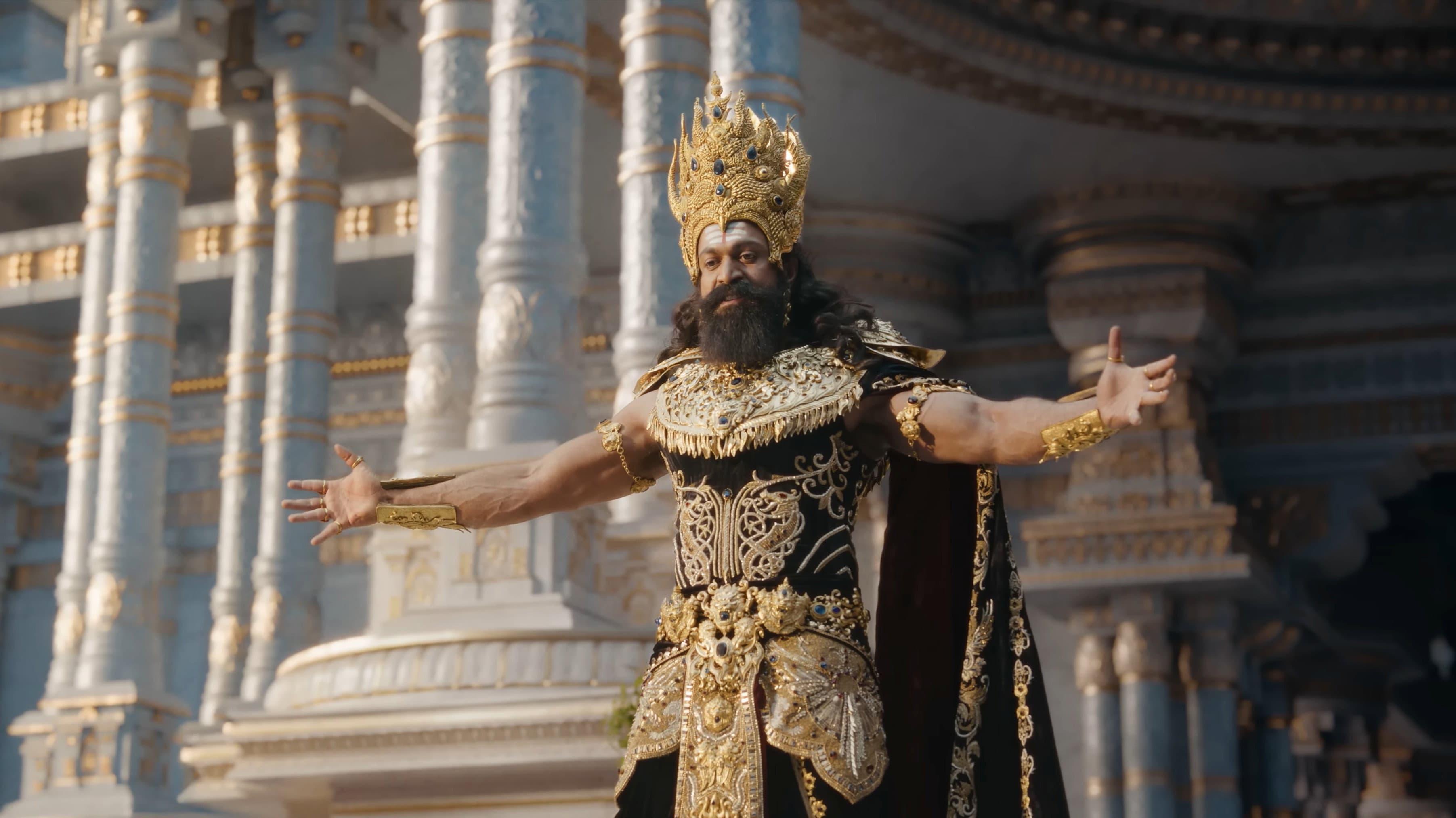
Namit Malhotra isn't mincing words about what "Ramayana" means to him - and honestly, who can blame him? With the Nitesh Tiwari-directed epic hitting theaters on November 4, the filmmaker is calling the project a landmark moment, framing its arrival as nothing short of "an ultimate moment for Indian cinema." It's the kind of line that could sound like hype in lesser hands. Coming from Malhotra, though, it reads more like a mission statement.
And the scale of the thing backs him up. "Ramayana" is a Hindi-language production built with Hollywood muscle behind it, a combination that's still rare enough to turn heads. This isn't a modest retelling tucked into a comfortable budget - it's an ambitious swing at bringing one of the world's oldest stories to a global audience, and the people making it clearly know exactly how big they're dreaming.
A Legendary Tale, Retold for the Big Screen
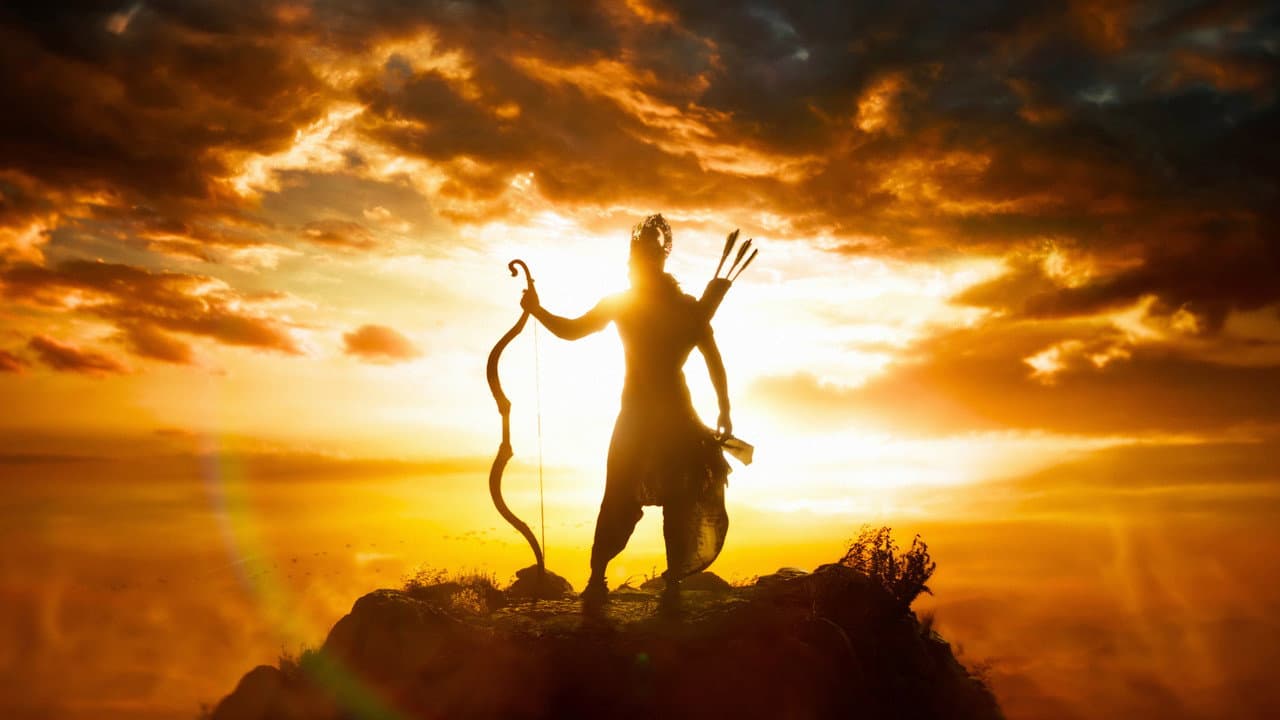
For anyone who somehow needs the refresher: "Ramayana" follows a young prince and princess whose marriage - and the exile that follows it - kick off a journey that has echoed through millennia. What begins as a story of love, duty, and destiny steadily opens into something far larger, setting the stage for trials that dwarf everything that came before. The film is being positioned as fantasy, action, and adventure all at once, which feels about right for a saga that has basically never stopped being told since someone first told it.
Tiwari, who has built a reputation for grounded, emotionally precise storytelling, is at the helm. Pairing that sensibility with material this mythic is either a stroke of genius or the hardest job in the industry. Possibly both. Either way, it's the kind of creative marriage that makes a November release date suddenly feel very far away.
A Cast Built to Carry an Epic
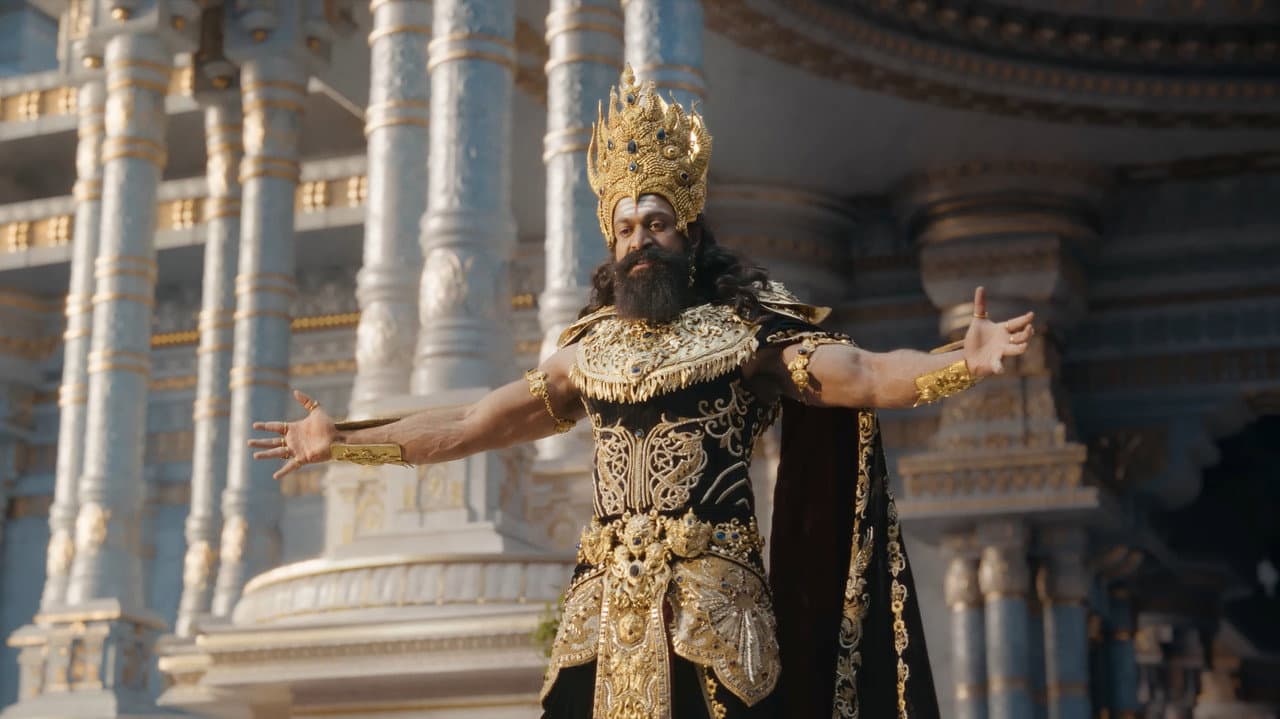
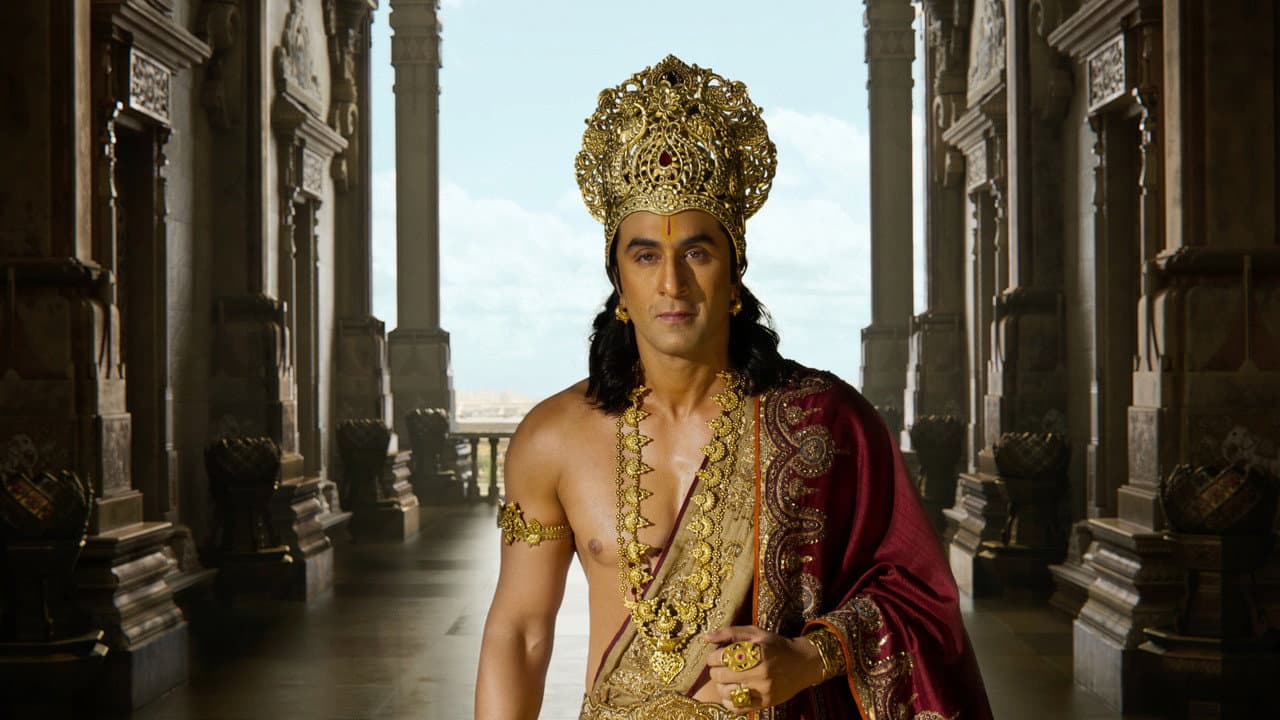
The ensemble is stacked with names that will make Indian audiences sit up straight. Ranbir Kapoor takes on the immense task of playing Prince Ram - and, per the credits, also Parshuram and Lord Vishnu, which is a triple duty that would make most actors break into a cold sweat. Yash steps into the role of Ravana, a part that demands charisma as much as menace, while Sai Pallavi portrays Sita. Ravi Dubey rounds out the central trio as Lakshman.
Behind them sits a supporting bench with serious pedigree: Arun Govil as King Dashrath, Lara Dutta as Kaikeyi, Indira Krishnan as Kaushalya, and Rakul Preet Singh as Shurpanakha. Govil's presence alone carries a certain poetic weight for anyone who grew up with the story on screen - but that's a conversation for another day.
Hollywood Muscle, Hindi Heart
The detail that keeps jumping out is that "Ramayana" is being classified as a Hollywood production while remaining a Hindi-language film at its core. That's a fascinating hybrid, and it's precisely the space Malhotra seems to be occupying - using international infrastructure and craft to serve a story rooted firmly in Indian tradition. The runtime is a hefty 195 minutes, which tells you nobody involved was interested in trimming this thing down to fit a tidy slot. Big story, big canvas, big commitment from the audience.
It's worth noting that the project arrives with essentially no critical consensus yet - its rating sits at zero simply because the film hasn't been seen. That blank slate is part of the intrigue. Everything about "Ramayana" so far is promise and pedigree, and the real test comes when audiences finally get their seats.
The Stakes Couldn't Be Higher
Malhotra's framing of the film as a milestone isn't just promotional noise - it reflects a genuine moment of crossover ambition. Indian cinema has spent years pushing toward bigger international footprints, and a project like this, with this cast, this director, and this level of behind-the-scenes reach, is aimed squarely at that goal. Whether it lands as a genuine global event or simply a very expensive conversation starter, it's already one of the most talked-about releases of the year.
"Ramayana" opens in theaters on November 4. Bring your patience, your popcorn, and probably a handkerchief - it's a 195-minute journey through love, exile, and destiny, and it's swinging for the fences.
Source: Telegraph India