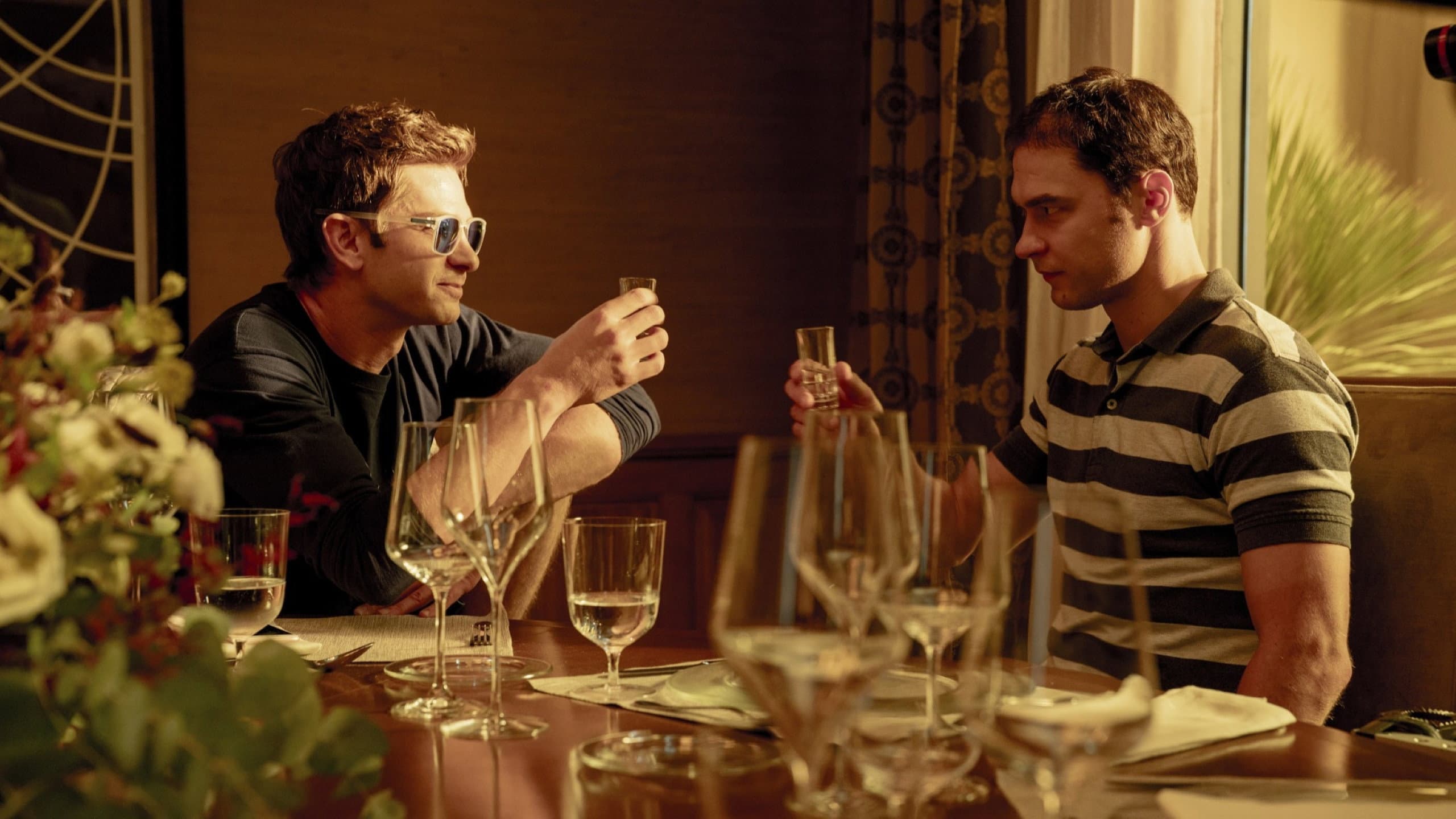
Hollywood has found its favorite new villain, and for once it isn't a CGI monster or a disgruntled ex-agent. It's the tech bro. In the past few years, studios have quietly been building a whole subgenre of films and shows that train their cameras on Silicon Valley's biggest names and the companies they built - and the trend shows no sign of slowing down. Call it the age of the tech mogul biopic, where the drama comes not from car chases but from boardrooms, bad tweets, and billion-dollar egos.
The latest wave is hard to miss. Projects examining figures like Elon Musk and the broader culture of artificial intelligence have moved from niche documentary territory into mainstream prestige cinema. What used to be the stuff of think pieces and business-section coverage is now prime awards-season material, complete with moody lighting, hushed soundtrack swells, and actors doing their best "visionary genius with a troubled soul" stare.
Why Hollywood Can't Look Away
On the surface, it seems like an odd marriage. Tech giants are famously camera-shy about anything they can't control, and the industry they've disrupted - entertainment - has plenty of reasons to feel ambivalent about them. But that tension is exactly the point. Filmmakers have discovered that the people who rewired how we work, communicate, and consume stories make irresistible protagonists, precisely because they're so polarizing.
There's also the simple matter of timing. AI has gone from a background hum to a full-blown cultural obsession, and audiences are suddenly hungry for context. Movies and series that dramatize the rise of these technologies give viewers something a press release never could: a face, a motivation, and a moral question to argue about on the way home. It's the same appetite that once fueled a flood of films about Wall Street and social media founders - only now the stakes feel personal, because these tools are landing in everyone's daily life.
And let's be honest, the optics are cinematic. Rocket launches, secretive campuses, congressional hearings, cryptic posts at 3 a.m. - it's all ready-made for the screen. Writers barely have to embellish. The real timeline already reads like a screenplay that got rejected for being too on the nose.
The Line Between Portrait and Parable
What separates the stronger entries in this mini-boom from the cynical cash-ins is intent. The best of them aren't trying to deliver a verdict on whether these figures are heroes or villains - they're exploring the strange psychology of people who accumulate that much power and then have to live with the consequences. That's a classic Hollywood arc, just wearing a hoodie instead of a cape.
Documentaries, meanwhile, have taken a sharper approach, using archival footage and testimony to build arguments rather than characters. The two modes feed each other. A dramatized take sparks public curiosity, a documentary answers it with receipts, and suddenly the whole conversation is happening in theaters and on streaming platforms at the same time. It's a feedback loop that keeps the subject in the spotlight long after the news cycle would normally have moved on.
Not everyone is thrilled. Critics of the trend argue that turning tech billionaires into tragic figures risks glamorizing the very behavior that deserves scrutiny. Others point out that the genre can slide into hagiography - a two-hour ad dressed up as a cautionary tale. It's a fair worry, and it's probably why the most talked-about projects tend to be the ones that refuse to let their subjects off the hook.
What This Says About Us
There's a bigger story here, and it isn't really about any single mogul. Hollywood's sudden fixation on tech power reflects a broader cultural mood: fascination tangled up with anxiety. We're living inside products built by a handful of people, and we're still figuring out how we feel about that. Movies give us a safe distance to work it out - to boo, to cheer, to argue.
It's also a reminder that Hollywood loves nothing more than a mirror. Every era gets the mogul movies it deserves - the studio titans of old, the bankers of the 2000s, the social network wunderkinds of the 2010s. The tech barons are simply the latest cast in an ongoing drama about ambition and its price.
Whether these films age into classics or curdle into dated takes depends on how well they capture a moment still unfolding in real time. That's the risk of making movies about the present. But it's also the thrill. For now, Hollywood has its microscope out, and it isn't blinking. If the box office and the awards chatter are any indication, audiences are more than happy to lean in and take a look - even if what they see staring back is a little too familiar for comfort.
Source: NBC News