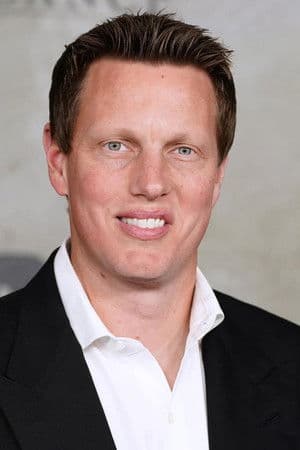
David Ellison has spent the better part of a decade doing the hard part: buying up the pieces of a Hollywood that was up for grabs and welding them into something that looks, from the outside, like a genuine powerhouse. Now comes the part nobody puts in the sizzle reel - actually running the thing.
That's the tension at the heart of the story around Ellison, the son of Oracle billionaire Larry Ellison, who traded in a career as a pilot and producer to become one of the most aggressive dealmakers in modern entertainment. He built Skydance into a reliable supplier of big-canvas action and sci-fi, the kind of studio that could partner with a legacy distributor and crank out crowd-pleasers without anyone worrying too much about the balance sheet. Then he went bigger. The Paramount play turned him from a guy who financed movies into a guy who owns the machinery that makes, markets and distributes them - a legacy studio with a famous mountain, a deep library and a lot of institutional scar tissue.
Building a colossus, it turns out, is the easy conversation. Operating one is the exam.
The dealmaker's dilemma
Ellison's reputation was forged in the art of the acquisition. He was the steady hand who could walk into a room with Paramount's leadership, or with the Redstone family, and come out with a structure that worked for everyone - or at least everyone who mattered. That's a skill set built on momentum, on the thrill of the close, on the moment the signatures dry.
Running a studio is the opposite of that. It's slow. It's unglamorous. It's deciding which of forty projects gets a green light and which gets quietly buried, managing talent who don't return calls, and absorbing the quarterly bruises when a tentpole underperforms. There's no signing ceremony for "we need to cut overhead by fifteen percent."
The industry, naturally, has opinions. Hollywood loves nothing more than to crown a new mogul and then start a pool on how long the crown stays on. Ellison is young by mogul standards, comes from tech money rather than the traditional studio ladder, and has a family fortune that makes him essentially immune to the usual pressures that force other executives into panic moves. That's a strength and a vulnerability - critics can always argue that he doesn't need this, and people who don't need things are unpredictable.
What "running it" actually means
The job description is brutal and wide-ranging. On one side, there's the creative pipeline - keeping Skydance's franchises humming while reviving a Paramount slate that has spent years searching for a coherent identity. On the other, there's the corporate reality: a merged company means duplicate departments, overlapping executives, and the kind of culture clash that swallows whole quarters. Streaming strategy, theatrical windows, licensing, theme parks, the news division, sports rights - each one is a live wire, and each one has a constituency that will scream if it feels neglected.
Then there's the legacy question. Paramount isn't just a brand; it's a hundred-plus years of Hollywood memory. Every decision Ellison makes gets measured against the ghost of the studio that gave the world so much of the cinematic canon. That's a lot of weight for any one executive, no matter whose last name is on the building.
There's also the small matter of optics. A tech fortune buying a Hollywood institution invites a particular kind of scrutiny - is this stewardship or trophy-collecting? Ellison's answer, so far, has been to talk about investment, growth and respect for the creative community. The proof will be in the release calendar, not the press release.
The verdict is years away
Nobody seriously expects a definitive scorecard this soon. Studio turnarounds are measured in five-year arcs, and the entertainment business is mid-rewrite itself - theaters are stabilizing but not what they were, streaming economics are still a mess, and the talent guilds are watching every contract with a magnifying glass.
What's clear is that Ellison has crossed a line most dealmakers never reach: he no longer gets to be the guy with the vision and the checkbook. He's the guy with the keys. Every flop, every layoff, every awkward earnings call lands on his desk with his name attached.
He spent years assembling the puzzle. The entertainment world is now watching, with equal parts admiration and skepticism, to see whether the man who built the colossus has the patience to live inside it.
Source: Financial Times