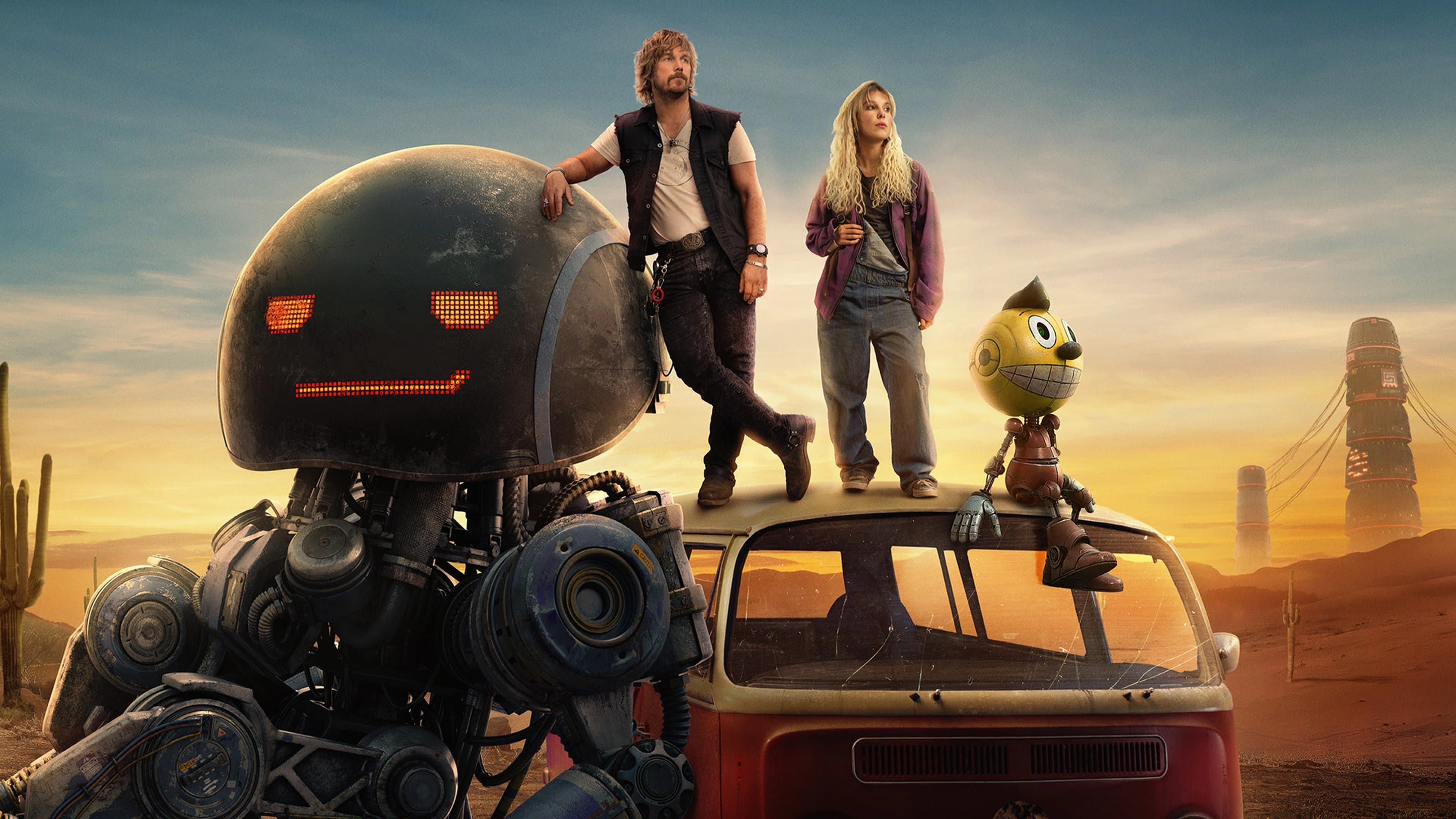
The buzz around artificial intelligence in Hollywood has shifted from writers’ room anxieties to a more existential question: can a string of code and algorithms actually deliver a performance that makes an audience feel something? That’s the conversation sparking across the industry right now, as the first AI-driven “actor” prepares to take a leading role in a major studio production. The hype machine is in full swing, with backers touting a new era of filmmaking, but the real test isn’t about processing power - it’s about that elusive, messy, gloriously human quality we call charisma.
The project, which has been in development under a shroud of secrecy for months, reportedly uses a sophisticated neural network that has ingested thousands of classic performances to generate a character that can emote, react, and deliver dialogue with uncanny precision. Early whispers from test screenings suggest the visual fidelity is staggering - pore-level detail, micro-expressions that flicker across a digital face in real-time. But the core question remains stubbornly unanswered: does it have it? That ineffable spark that separates a memorable movie star from a highly detailed puppet.
Industry veterans are split down the middle. Some A-list directors have privately expressed genuine excitement, seeing this as a tool that could finally break the bank on passion projects, allowing them to cast a character that ages backward, transforms radically, or even resurrects a beloved figure without the constraints of human biology. Imagine a historical epic where the lead actor can be 25 in one scene and 75 in the next, with no makeup truck required. That’s the dream being sold - a limitless canvas for performance, unbound by physical reality.
On the other side of the debate, acting coaches and studio veterans are raising a skeptical eyebrow. They argue that great screen acting is built on genuine spontaneity and the unpredictable energy that flares up between two performers in a room. It’s the happy accident, the improvised glance, the tear that falls a half-second early - those are the moments audiences remember. Can a machine, no matter how sophisticated its predictive algorithms, truly stumble into a moment of unexpected genius? Or will it just deliver a calculated simulation of what it thinks genius looks like, a perfectly rendered cover version that lacks the raw soul of the original track?
The economics, however, are impossible to ignore. With A-list salaries ballooning into the stratosphere and production schedules tightening, a digital thespian who never tires, never complains about craft services, and never ages out of a franchise role is a studio executive’s dream. No more reshooting due to a star’s schedule conflict; the AI is always available, always on cue, and infinitely malleable in the edit. This isn't just about art - it's about arbitration and control, shifting power from the talent agency to the technology department.
But the practical hurdles are just as massive as the philosophical ones. For one, “acting” in a live-action film involves a deep physical and emotional symbiosis with the environment. The way an actor’s breath syncs with their lines, the subtle sway of their weight, the instinctive reaction to a gust of wind - these are signals that a CGI creation has to be programmed to mimic. While motion capture has bridged that gap for stunt work and fantastical creatures, a leading man or woman has to carry a scene with just their eyes. If the tech can’t nail those quiet moments, the whole house of cards collapses into the uncanny valley.
Furthermore, the current legal landscape is a minefield. Who owns the performance? If the AI is trained on a database of living actors’ past work, do those performers deserve residuals or credit? Unions are already circling, and the debate over digital likeness rights has been a hot-button issue long before this announcement. The new star might not need a trailer, but it certainly needs an army of lawyers to sort out its payroll.
Ultimately, the first test will come down to audience perception. We have been trained to accept digital humans in supporting roles - extras in a crowd, alien avatars, de-aged heroes - but sitting in a dark theater for two hours, asking us to root for a protagonist we know is fake, is a different beast entirely. Suspension of disbelief has its limits. We might marvel at the tech, but we’re more likely to fall in love with a flawed, complicated human character who makes mistakes.
The creators remain bullish, promising a performance that will redefine the medium. They point to the history of cinema, where critics once scoffed at the arrival of sound and later color as gimmicks that would kill the art form. We adapted then, they argue, and we’ll adapt now. Whether the audience will embrace this digital ingénue with the same fervor they did a young Tom Cruise or Meryl Streep is a gamble that could reshape the entire landscape of star-making. One thing is for sure: the popcorn will be ready, and the eyes of the industry will be glued to the screen to see if ones and zeros can deliver a standing ovation.
Source: cnn.com