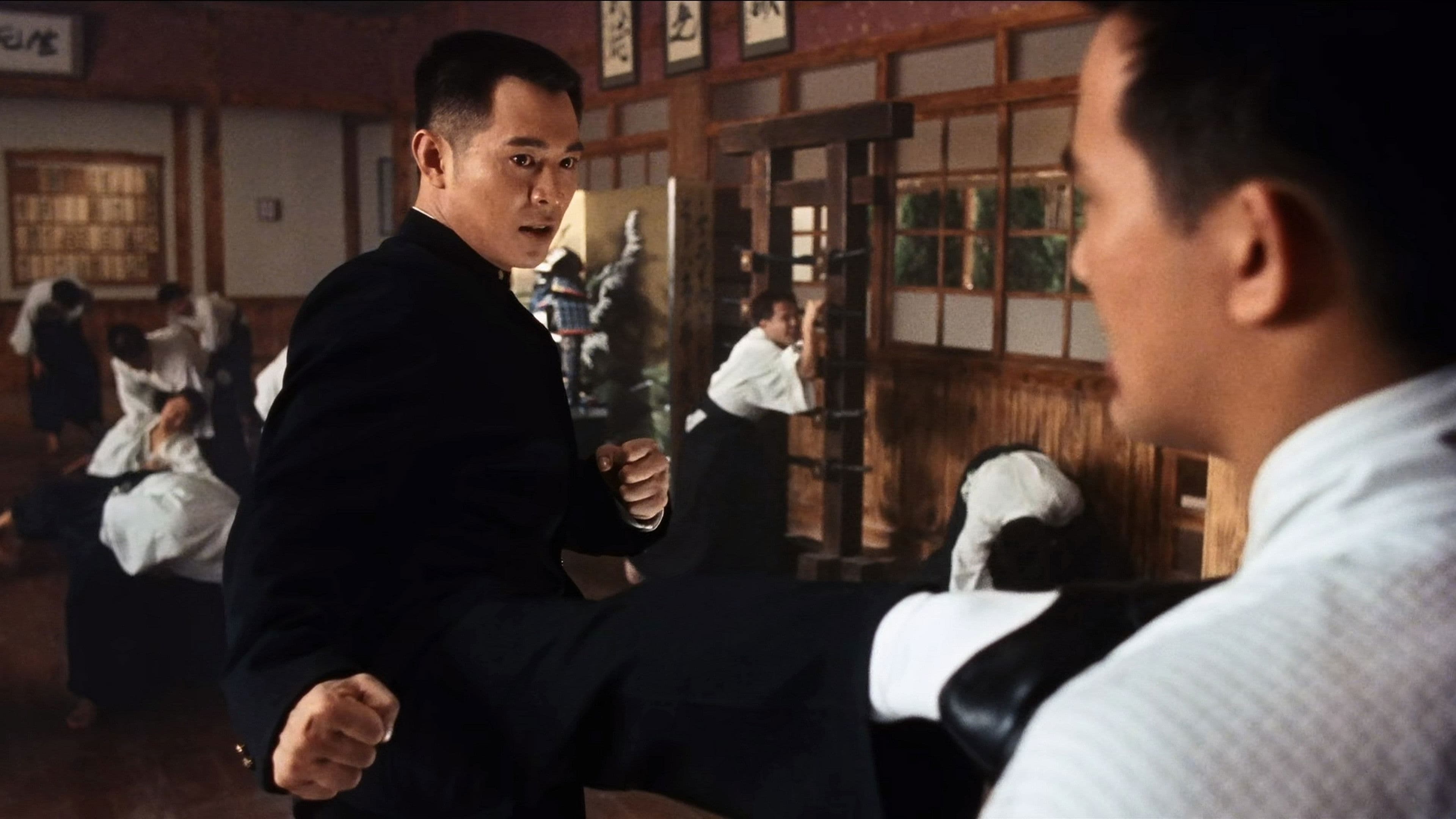
Twenty-six years is a long time to sit with a grudge, but here we are. Back in 2000, Hollywood got its hands on what many martial arts devotees consider the most aggressively brilliant action film ever assembled, and then did the one thing no one asked for: it recut the thing, dubbed it, slapped on a new soundtrack, and shoved it into theaters as a completely different movie. The film in question is Iron Monkey - wait, no. Let's not fumble the bag this early. The real casualty of that year was a Hong Kong production that arrived on American shores with its bones rearranged and its soul on mute, and the version most people saw was, to put it gently, a shadow of the real thing.
When the Wrong Cut Becomes the Only Cut Anyone Remembers
Here's the frustrating math of it. A filmmaker spends months - sometimes years - shaping rhythm, silence, and the space between punches. Then a distributor decides American audiences need something faster, louder, and explained to them line by line. So the movie gets trimmed, rescored with whatever generic rock or orchestral sludge was lying around, and retrofitted with a dub so wooden you could build a fence out of it. The theatrical cut that landed in 2000 wasn't a translation. It was a renovation, and not the kind that adds value.
What makes this particular burial job so maddening is that the original film was already operating on a level most action cinema never reaches. We're talking choreography so precise it functions as storytelling - every block, every counter, every held beat communicating character and stakes without a word of exposition. When you chop that up, you're not just losing footage. You're losing grammar. You're losing the breath that makes the impact land.
The Dub That Launched a Thousand Eye Rolls
Let's talk about the dubbing, because we have to. There's a special kind of insult in taking performances built on physical precision and facial micro-expression and replacing them with voice actors who sound like they're reading a menu. The theatrical version didn't just change the language. It changed the tone, flattening humor into slapstick and gravitas into soap opera. Fans who caught the original overseas or via import tapes knew immediately what had been done. Everyone else got the diluted product and had no idea they'd been handed a knockoff of a masterpiece.
And that's the real tragedy of distribution-era meddling. The audience isn't stupid - they're just underserved. They showed up for a martial arts movie and got something that felt like a Saturday morning cartoon with better kicks. No wonder the film's reputation took years to recover. Word of mouth had to do the work that the theatrical release should have done on day one.
Why the Original Still Hits Like a Truck
Here's the part that stings. The unaltered film is a genuinely great piece of action cinema - the kind that gets studied, not just watched. The pacing breathes. The fight sequences build in escalating waves rather than just piling on. The emotional beats land because the edit trusts you to feel them instead of telling you what to feel with a swelling score. Strip away the studio interference and what's left is a movie that would have absolutely demolished audiences in 2000 if it had been allowed to show up as itself.
Instead, it became a cautionary tale. A reminder that the gap between a great film and a great theatrical release can be a single committee meeting. And a reminder that we keep letting this happen - not just to this movie, but to a whole lineage of international action cinema that keeps getting "fixed" until it breaks.
The Reclamation Project Nobody Asked For but Everybody Needed
The good news, twenty-six years on, is that the real version is findable. Home video, restorations, streaming catalogs that actually care - the original cut has clawed its way back into circulation, and every new viewer who discovers it gets to feel that specific anger of realizing what they were denied the first time around. It's a strange kind of legacy: a film that had to survive its own American release to become beloved.
So here's to the buried version. May it stay buried. And here's to the actual movie - the one with its rhythm intact, its performances whole, and its reputation finally where it belongs. Twenty-six years late is still better than never.
Source: MovieWeb