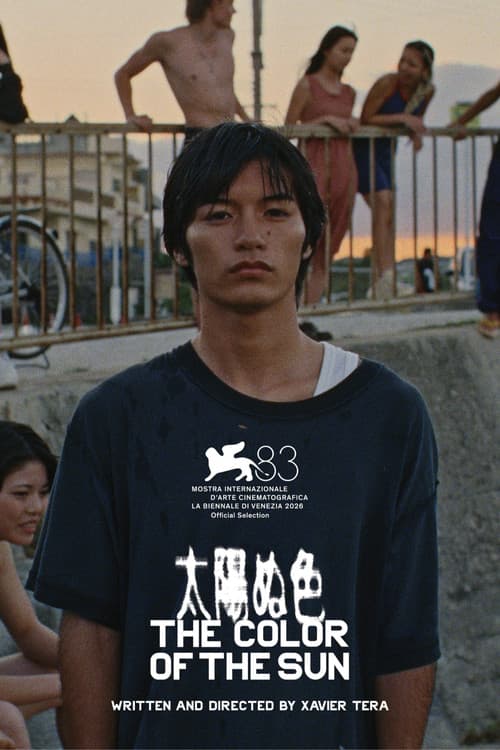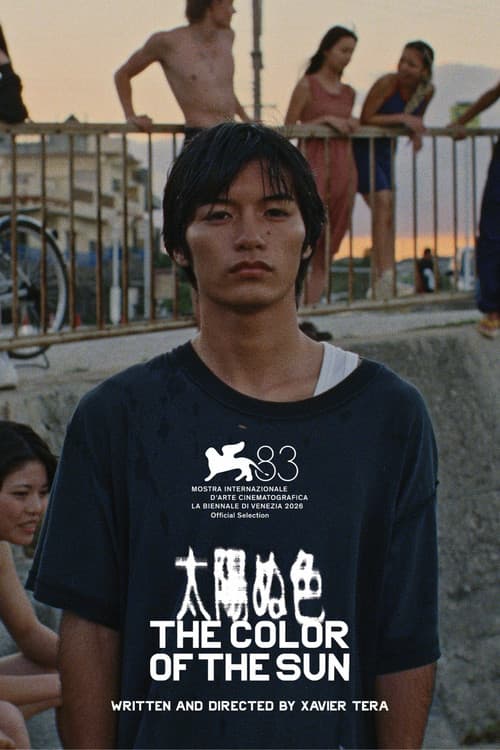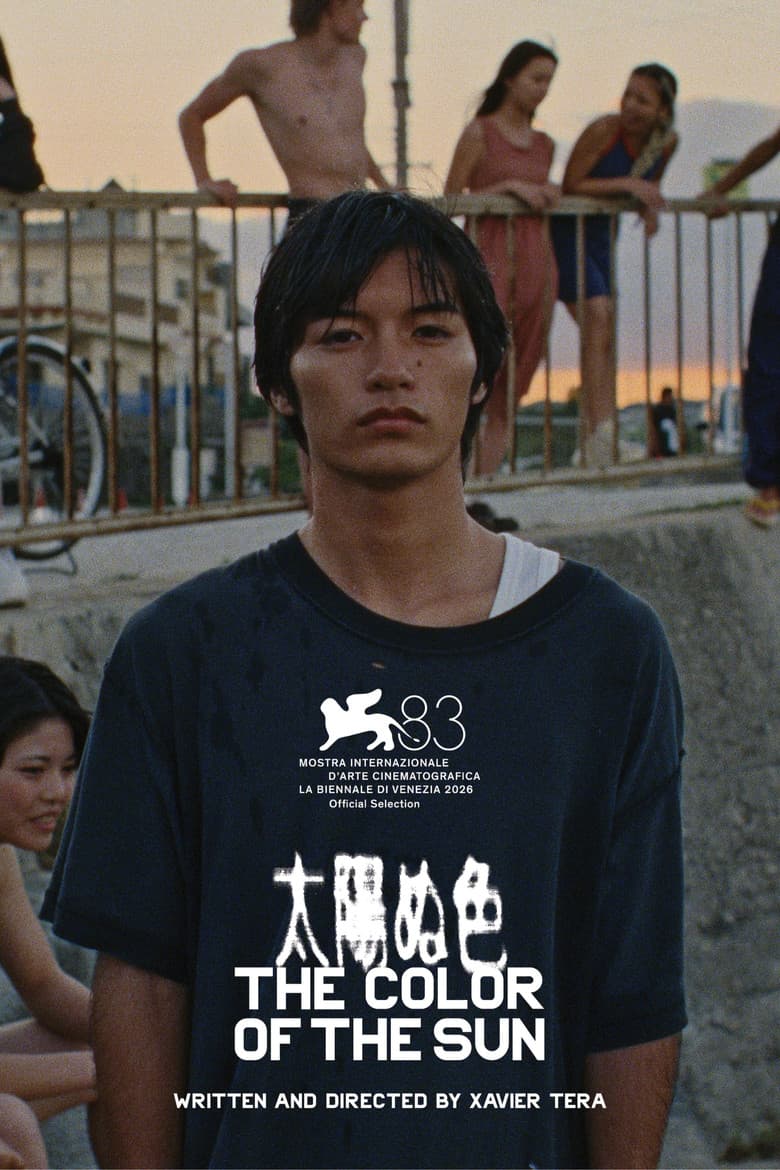
It’s not every day that a coming-of-age drama rolls in with a title as poetic as The Color of the Sun, and it’s even rarer for one to set its sights on the sun-drenched, history-soaked shores of Okinawa. But that’s precisely the landscape director Xavier Tera has chosen for this 111-minute Japanese-language feature, which lands in theaters today, September 9, 2026. Described in its official synopsis as a “raw coming-of-age” tale, the film doesn’t just want to tug at heartstrings - it wants to interrogate what “home” actually means when the ground beneath your feet is layered with the weight of decades past.
At the center of the story is Kamei Yara, played with an air of restless intensity by Naoto Shimajiri. Kamei is a local kid caught between the pull of tradition and the gnawing urge to break free - a familiar tension, sure, but Tera’s Okinawan backdrop gives it a sharper, more specific bite. This isn’t just adolescence set against a pretty beach postcard. The ghosts of the past, as the synopsis hints, are not merely metaphorical here; they’re woven into the very soil, and Kamei has to figure out how to grow up alongside them without being swallowed whole.
But Kamei doesn’t walk this tightrope alone. Enter West Mulholland as Colin Michaels, whose presence suggests a collision of worlds. Colin likely serves as an outsider’s lens on this tightly-knit community, a character whose own definition of belonging gets tangled up with Kamei’s journey. Then there’s Ichiro Andre Castro as Juyu Shimabukuro, rounding out the trio of performances that will anchor the drama of friendship, friction, and the occasional fistfight. The casting reads like a deliberate patchwork of identities, mirroring Okinawa’s own complex cultural mix.
Now, let’s talk about the fight part. The synopsis says the film asks what it means “to fight, and to grow up,” and that’s a tantalizingly vague hint that we’re not just dealing with angst-ridden conversations under cherry blossoms. A bit of grit, a bit of raw physicality, tends to ground these stories in something visceral. You get the sense that Tera isn’t interested in polished melodrama; the word “raw” in the official overview feels less like marketing fluff and more like a stylistic mission statement. Expect scuffed knees, bruised egos, and perhaps a metaphorical or literal bloody nose before the credits roll.
What’s most intriguing about The Color of the Sun, though, is the setting itself. Okinawa’s cinematic presence often gets filtered through a mainland Japanese lens, or worse, reduced to a backdrop for war films. Tera, however, seems intent on letting the islands breathe as a character of their own. The “ghosts of the past” line could easily reference the island’s layered and often painful history, but the film’s core propulsion is forward-looking - a story about kids trying to carve out an identity in a place where the past feels impossibly loud. It’s a smart, layered choice that elevates the material from a simple teen drama to something with a deeper emotional current.
As for the technical details, the film clocks in at a manageable 111-minute runtime, which suggests Tera is confident enough to let scenes play out without rushing toward a tidy conclusion. That’s a clear win for the kind of character-driven storytelling being promised here. Meanwhile, the Hollywood industry tag attached to the project is curious - suggesting this is a production with international ambitions, even if it’s told entirely in Japanese. It places The Color of the Sun in a lineage of films that refuse to be boxed in by geography, content to cross borders as fluidly as its characters move between cultures.
Of course, the TMDb score currently sits at a blank slate - a zero out of ten that simply means no one has voted yet. That leaves us, the audience, to fill in the blanks. The pre-release buzz, though, is less about awards chatter and more about conversation-starting potential. It’s the kind of movie that begs for a post-screening coffee debate: What does belonging mean in the 21st century? How much of our past do we get to leave behind, and how much do we carry whether we like it or not?
That’s a lot of weight for a coming-of-age film to shoulder, but The Color of the Sun seems built for it. With a distinctive trio of leads and a director clearly unafraid to play in the shadows of history while keeping his camera pointed at the bright, messy present, this is one for anyone who likes their teen dramas with a side of introspection. It may wrestle with heavy questions, but it’s ultimately about the journey of finding your place - and perhaps, just for the summer, letting the sun have the final say.
Source: The Hollywood Reporter