When you think of the names that carved the very foundation of modern horror, Wes Craven isn’t just a footnote - he’s the guy who built the house, wired the jump scares, and then set the whole thing on fire just to see how we’d react. Today, September 7, 2026, marks the release of a documentary that finally gives the Master of Mayhem his due. Remembering Wes Craven: His Life, Legacy and Nightmares isn’t just a highlight reel of severed limbs and creepy voice-mails; it’s a love letter to a filmmaker who understood that the scariest thing in the room is often the human heart. And let’s be honest, after a decade without him, we could all use a good scare and a good cry in the same sitting.
Release Date & Where to Watch
Mark your calendars, horror hounds - Remembering Wes Craven: His Life, Legacy and Nightmares slashes its way into select theaters and lands on digital platforms today, September 7, 2026. This isn't a limited Halloween-season drop; it’s arriving right as the leaves start turning, which feels suspiciously perfect for a doc that’s all about the shadows creeping in. You’ll want to catch this one on the big screen if you can - the archival footage and restored clips deserve that immersive, darkened-room treatment. But if you prefer to watch from the safety of your couch with a blanket pulled up to your chin, the VOD release ensures you can get your fix immediately. No waiting for a streaming service to acquire it later; this is a day-and-date release that knows its audience. And let’s be real, nothing says "respect for the legacy" like watching Freddy Krueger’s glove glint off a cinema projector bulb.
Cast & Crew
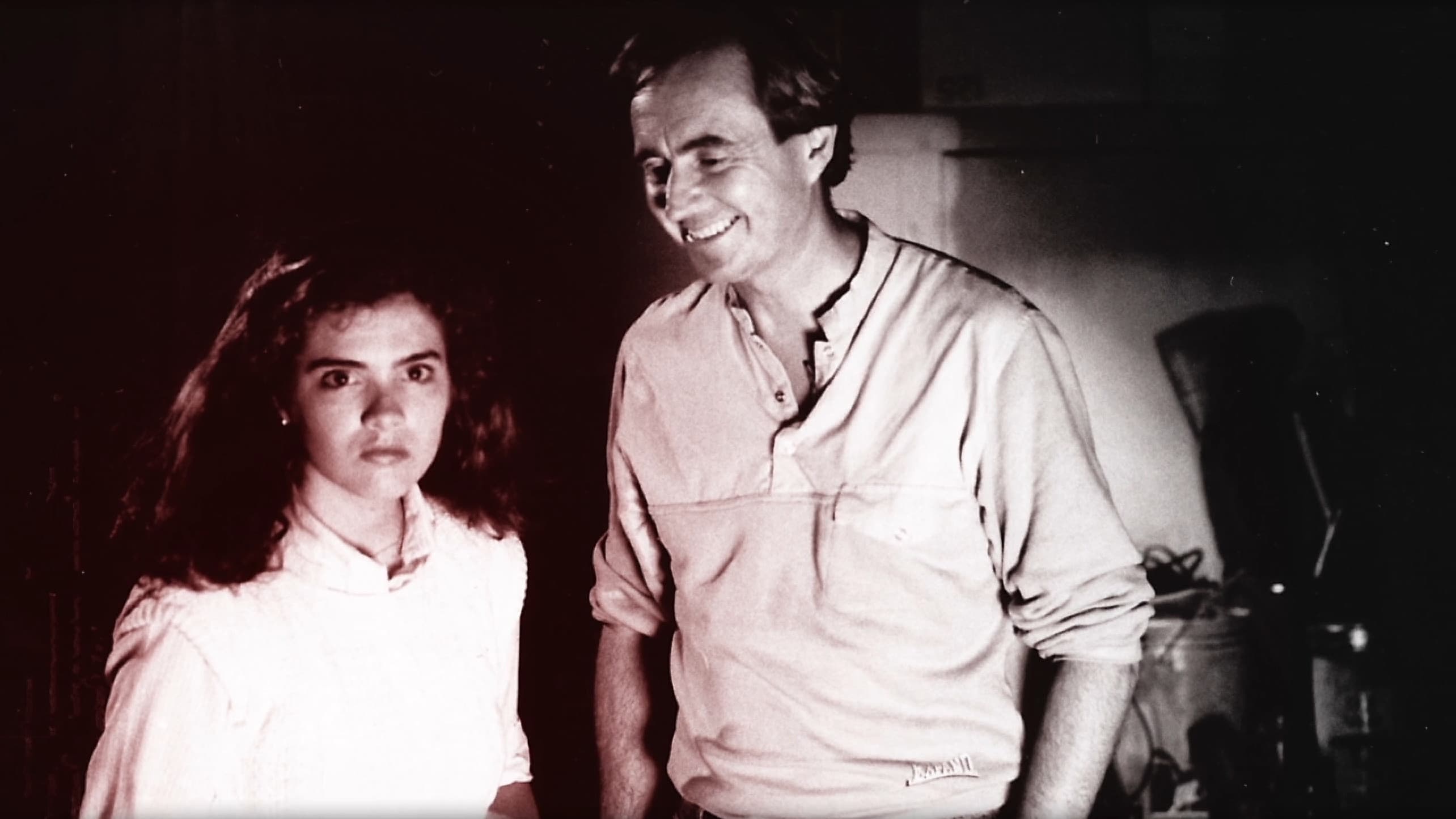
At the helm of this retrospective is director Heather Wixson, a name that should be instantly familiar to anyone who’s followed horror journalism over the last two decades. Wixson isn’t an outsider looking in; she’s a critic and interviewer who has spent her career embedded in the genre’s trenches. That insider perspective shines through every frame of this 108-minute portrait. She’s assembled a dream team of Craven’s closest collaborators to share war stories and behind-the-scenes secrets. We get the iconic scream queen herself, Adrienne Barbeau, who brought The Fog to life and knew Craven from the grindhouse era. Then there’s Michael Berryman, the unforgettable face from The Hills Have Eyes, who understands physical terror like few others. Of course, no Craven doc is complete without Heather Langenkamp - the eternal Nancy Thompson - who carries the emotional weight of the Nightmare on Elm Street legacy. Editor Patrick Lussier, who cut his teeth on Craven’s later works like Dracula 2000 and My Soul to Take, provides a technical perspective on how the master built tension. And through archival interview footage, we hear from the late Robert Shaye, the New Line Cinema founder who took a chance on a then-unknown glove-wearing dream demon. It’s a roster that feels less like a talking-head doc and more like a family reunion at a wake where everyone’s telling stories that get funnier and darker as the night goes on.
Story & What to Expect
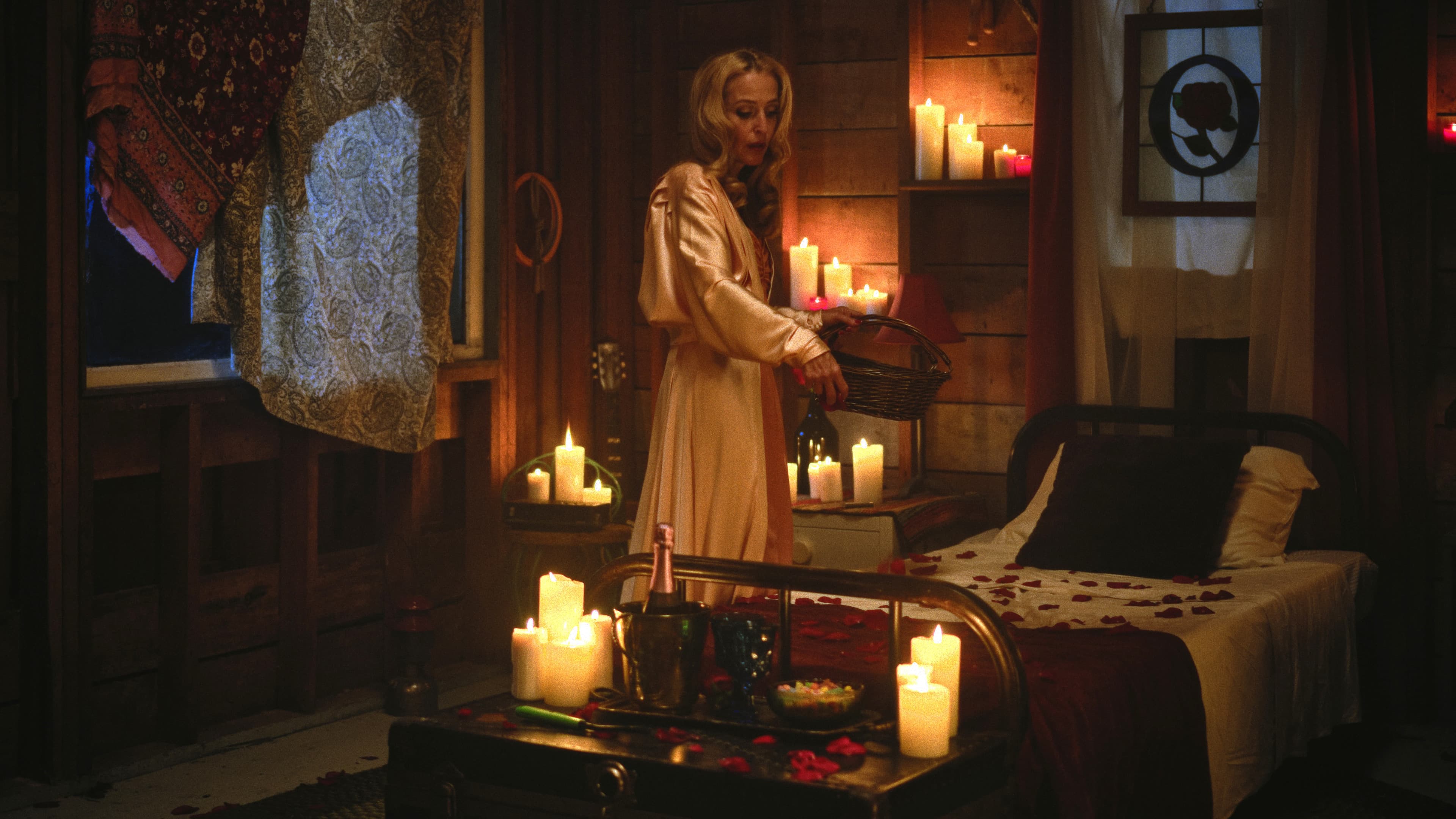
This isn't a standard "and then he made this movie" biography. Remembering Wes Craven digs deep into the psyche of a man who was both a college professor and a shock artist. The documentary traces his unlikely path from a strict Baptist upbringing to the wilds of 1970s exploitation cinema with Last House on the Left. Oh yes, they go there. The film doesn’t shy away from the brutal, uncomfortable birth of that picture, framing it not as gratuitous violence but as a reaction to the Vietnam War-era anxiety that surrounded him. From there, the narrative weaves through the desert paranoia of The Hills Have Eyes, the suburban satire of The People Under the Stairs, and the self-aware slasher brilliance of Scream. But the real meat of the documentary comes from the personal stories. Expect behind-the-scenes tales from the chaotic set of A Nightmare on Elm Street, including how the infamous "tongue phone" scene almost didn’t happen and how Langenkamp had to dodge real sparks during the boiler room sequences. Wixson also explores Craven’s intellectual side - his love for literature and his knack for tapping into teenage alienation. The film’s pacing is brisk, never lingering too long on any single title, but giving each era its proper weight. You’ll leave with a greater appreciation for how he balanced studio notes with his own uncompromising vision, especially when the Scream franchise resurrected his career and changed the genre all over again at the tail end of the 90s.
Why It's Worth Watching
Simply put, this documentary is essential viewing for anyone who has ever hidden behind a pillow or checked their closet twice before bed. Craven didn't just direct movies; he created cultural touchstones that spawned conventions, memes, and a dedicated fanbase that spans generations. Remembering Wes Craven is worth your time not just for the nostalgia, but for the context. Wixson frames his work as essential American cinema, which it absolutely is. Seeing Barbeau, Berryman, and Langenkamp sit down and reflect on their boss with genuine affection is moving in a way you don't expect from a horror doc. You can feel the loss, but more powerfully, you feel the gratitude for the nightmares he gave us. In a time where horror films are often glossy and safe, this documentary reminds us of the rugged, independent spirit that made Craven a legend. It’s a reminder that the guy who terrified us also had a profound understanding of human resilience - that the kids who survived Freddy were the ones who refused to be victims. If you love cinema, if you love being scared, or if you just want to see a group of incredible artists praise their mentor with genuine warmth, you owe it to yourself to watch this. It’s a fitting tribute to a man who proved that sometimes, the best way to face our fears is to put them on screen and laugh at them, just before they jump out again.