To review One Piece is to review a phenomenon. How does a series that started in 1999 manage to feel just as fresh, exciting, and culturally relevant today in 2026? The secret lies in the unmatched imagination of its world and the flawless chemistry of its voice cast.
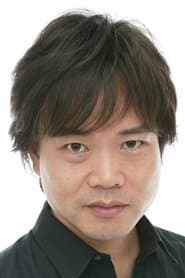
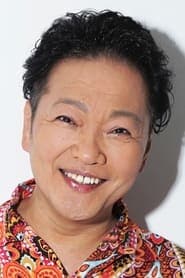
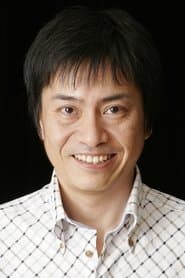
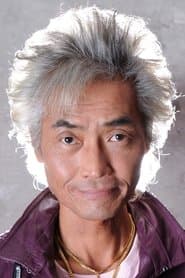
From the jump, Mayumi Tanaka delivers an iconic, career-defining performance as the voice of Monkey D. Luffy. She injects Luffy with a chaotic, infectious energy that serves as the emotional anchor of the entire series. When Luffy laughs, you laugh; when he gets serious, you get goosebumps. He is flanked by a legendary voice ensemble, including Kazuya Nakai as the stoic, three-sword-wielding Roronoa Zoro, Akemi Okamura as the whip-smart navigator Nami, and Kappei Yamaguchi as the hilarious sniper Usopp. Add in Hiroaki Hirata’s smooth-talking cook Sanji, Ikue Otani’s adorable doctor Tony Tony Chopper, Yuriko Yamaguchi’s mysterious Nico Robin, and Mari Yaguchi as Yoko, and you have one of the most endearing found-families in television history.
What makes One Piece truly special is its tone. On paper, a rubber boy fighting fish-men and government agents sounds utterly ridiculous-and it is. The show fully embraces its Action & Adventure and Comedy roots. But beneath the bright colors and wacky character designs lies a story with surprising dramatic weight. The series tackles heavy themes like corruption, systemic oppression, and the cost of freedom, balancing them perfectly with slapstick humor.
Of course, we have to talk about the elephant in the room: the pacing. With decades of content, some story arcs can feel stretched out, and the older animation style of the early episodes might take a minute to get used to for modern viewers. However, the slow-burn storytelling allows for unparalleled worldbuilding. Every island the Straw Hats visit feels like a living, breathing ecosystem with its own history and culture.