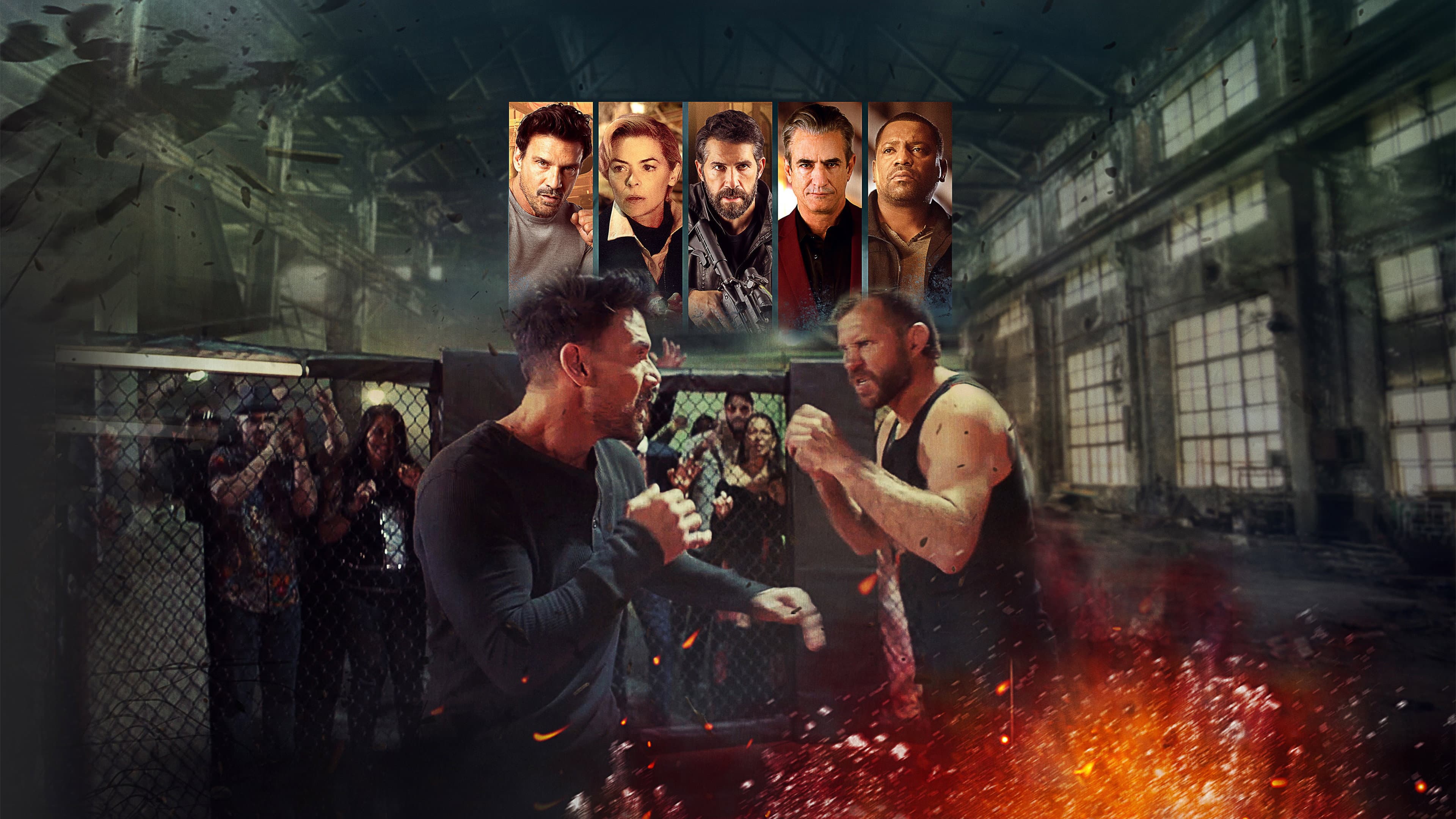
The road from a scrappy YouTube short to a studio-backed feature has become one of Hollywood's most well-worn fairy tales, but few films have traveled it with as much grit as Lights Out. Before Obsession and Backrooms turned internet-born creepiness into mainstream commodities, this lean, mean 90-minute action thriller proved that a viral spark could ignite a full-blown theatrical fire. Directed by Christian Sesma and released on February 16, 2024, Lights Out arrived with a simple, brutal premise and a cast built for fans of punch-first cinema.
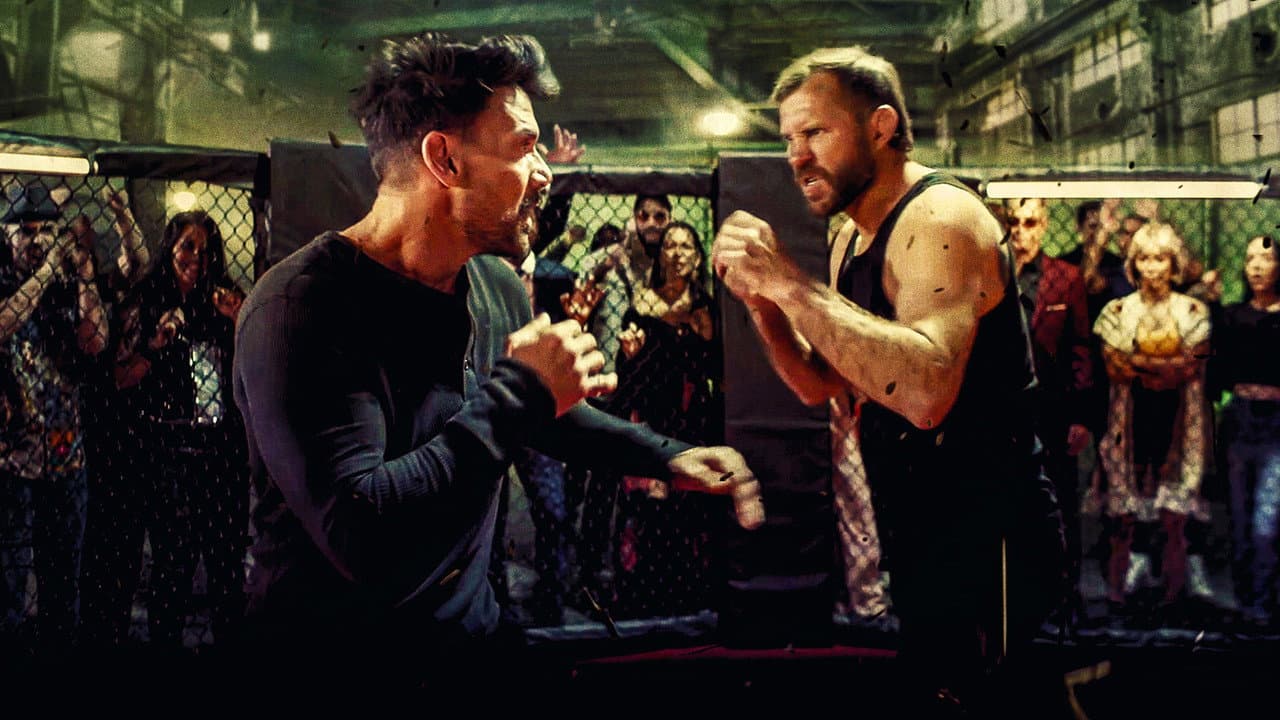
The film centers on a drifting ex-soldier who gets pulled into the underground fighting circuit with a little help from a freshly released ex-con. Naturally, the arrangement goes sideways fast, pitting the pair against corrupt cops and hired killers who suddenly have the protagonist and everyone he loves in their crosshairs. It is the kind of down-and-dirty setup that thrives on momentum rather than monologue, and at just an hour and a half, Lights Out wastes no time getting to the bruises.
A Cast That Knows Its Way Around a Fight Scene
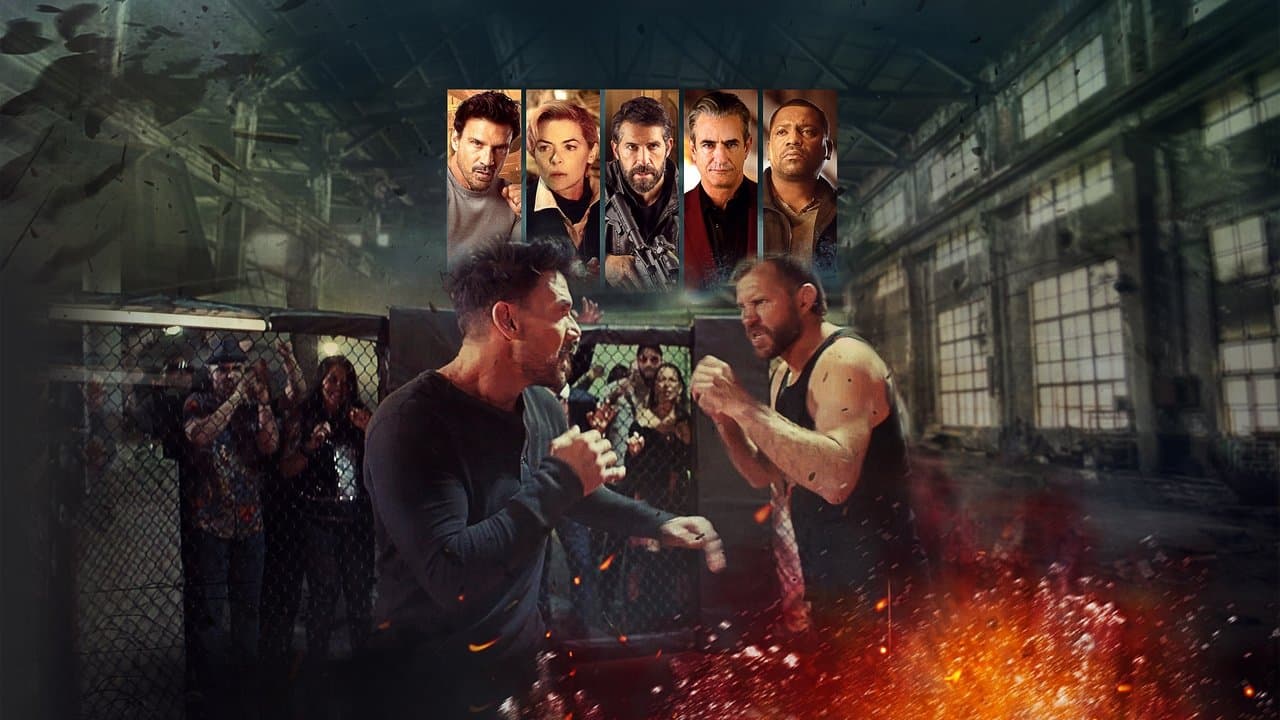
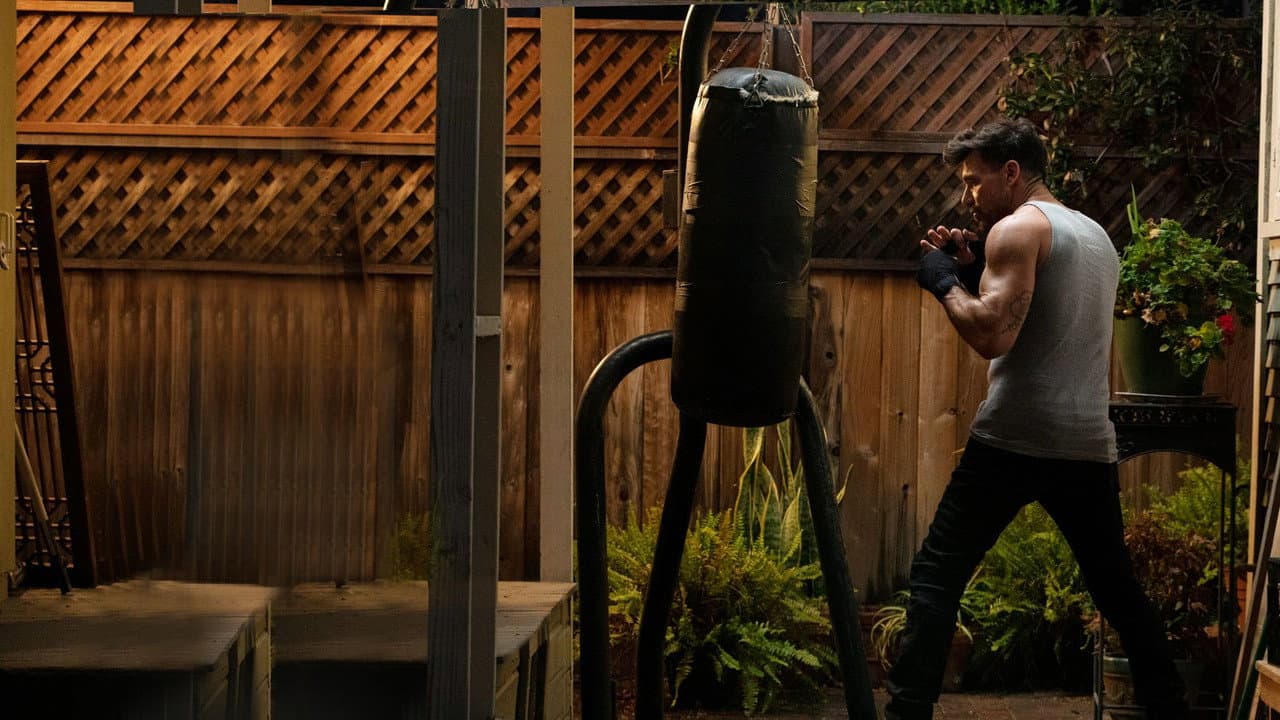
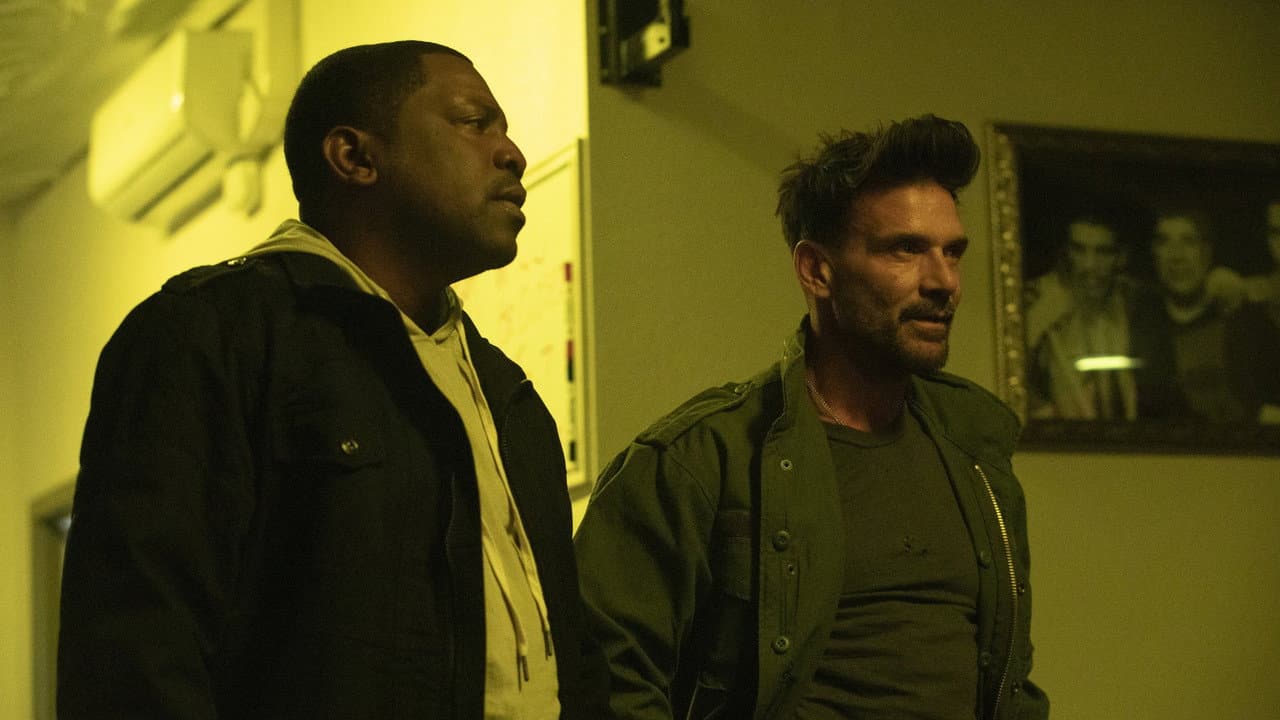
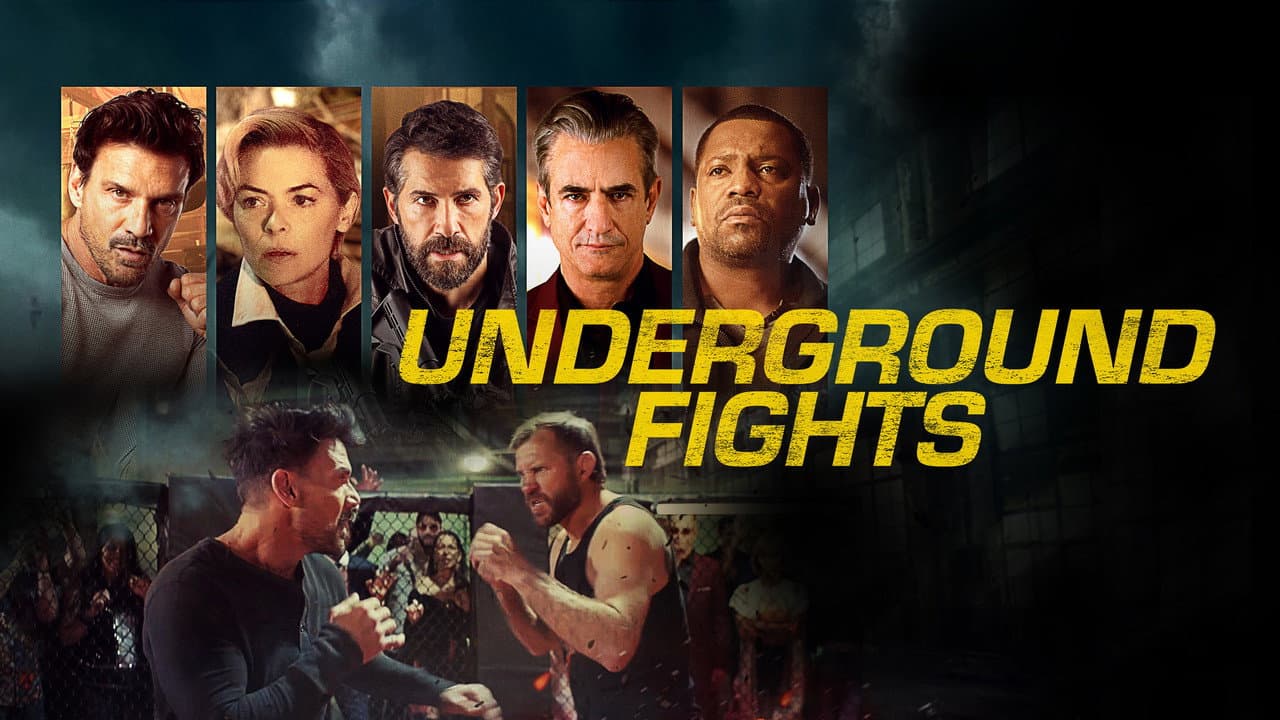
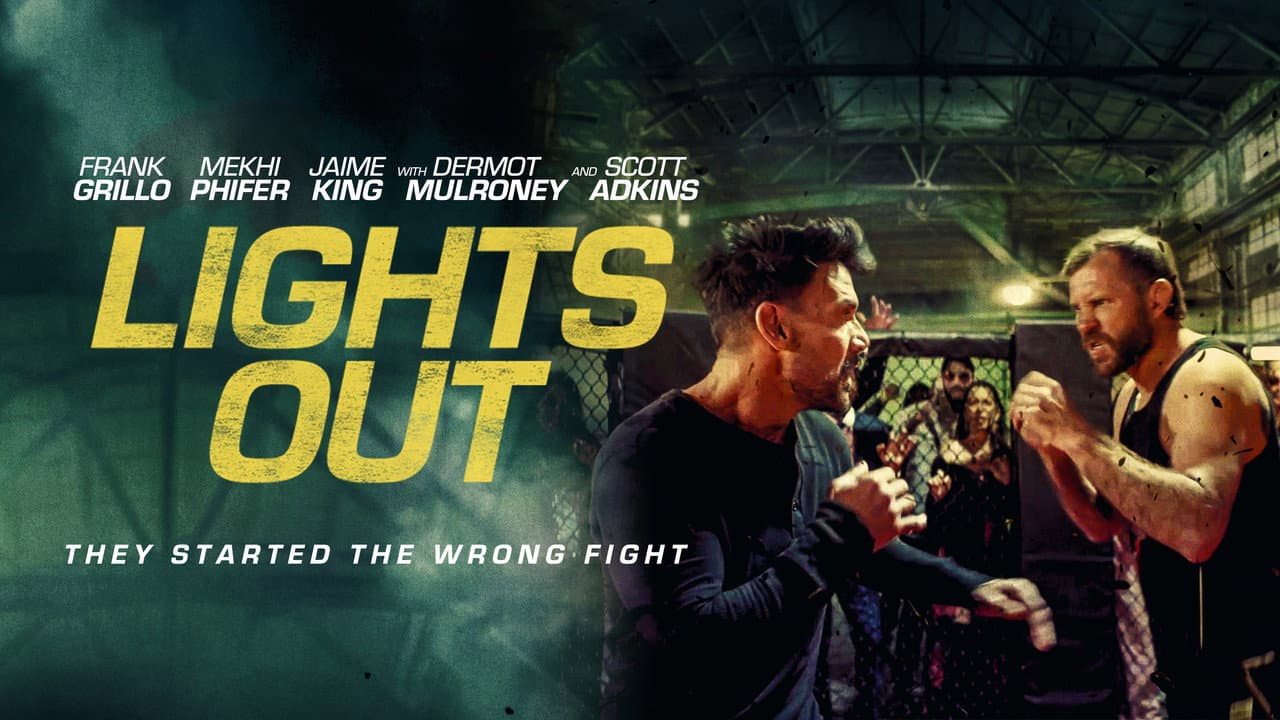
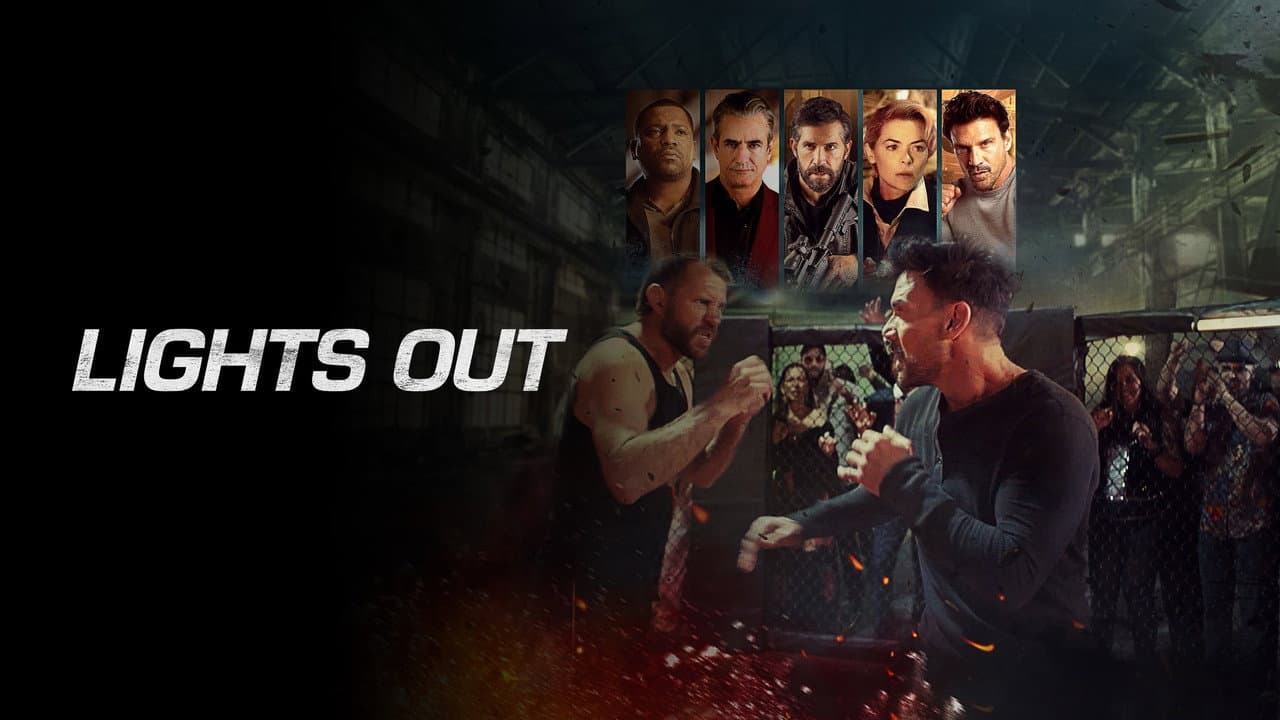
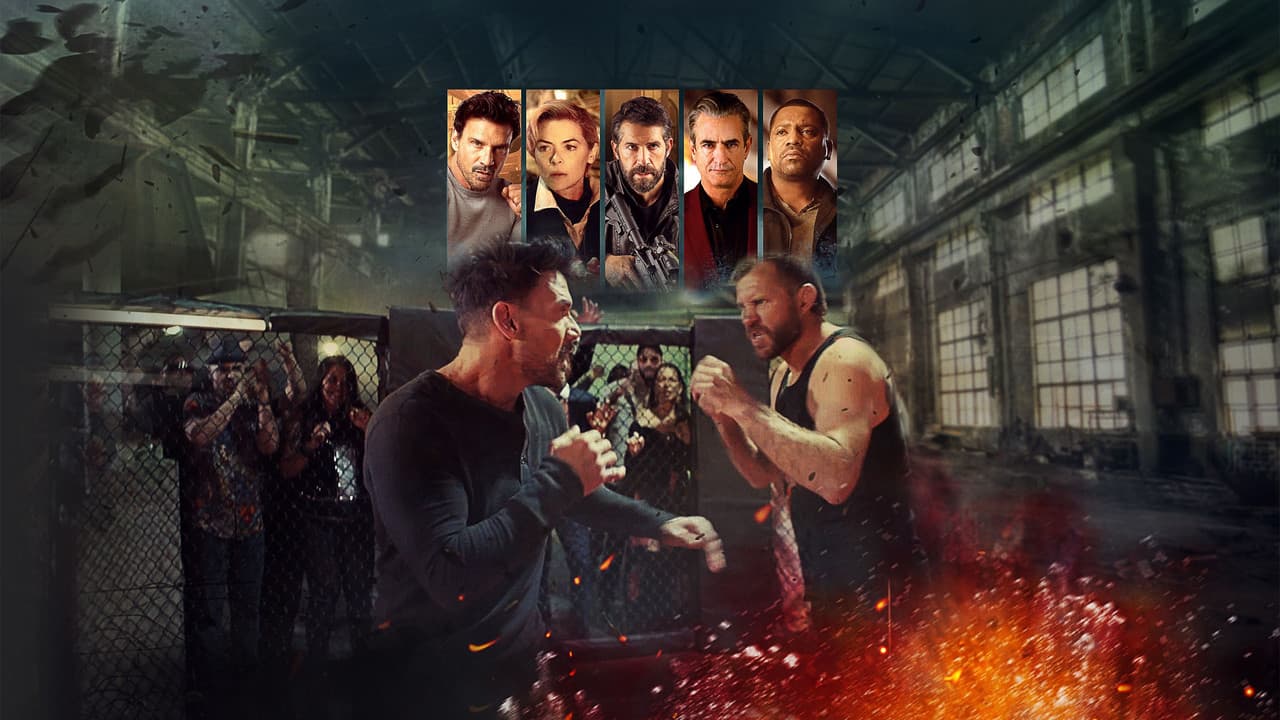
Leading the charge is Frank Grillo as Michael "Duffy" Duffield, a role tailor-made for an actor who has spent the better part of two decades playing hard-edged men with more scar tissue than patience. Grillo is joined by Mekhi Phifer as Max Bomer, the ex-con whose friendship sets the whole powder keg alight. Jaime King steps in as Detective Ellen Ridgway, while Dermot Mulroney takes on the slippery Sage Parker.
For action devotees, the supporting roster reads like a wish list. Scott Adkins chews scenery as Don "The Reaper" Richter, a name that practically guarantees a climactic throwdown. Amaury Nolasco appears as Fosco, Donald Cerrone shows up as Carter, and martial arts standout JuJu Chan rounds things out as Lynx. It is the sort of ensemble that signals exactly what the audience is in for: crisp choreography, hard stares, and very few pauses for reflection.
Sesma, a filmmaker who has quietly built a reputation for efficient, stunt-heavy genre pictures, keeps the engine humming. The director understands that a movie like this lives or dies on clarity and impact, not on elaborate mythology. And on that front, Lights Out delivers what its title promises.
The YouTube-to-Studio Pipeline
What makes Lights Out noteworthy in the broader pop-culture conversation is less about its plot and more about its pedigree. The film belongs to a lineage of projects that began life as short-form internet content, the kind of bite-sized horror or action clip that racks up views overnight and catches a producer's eye by morning. That pathway has since become practically industrial, with Obsession and Backrooms emerging as the latest examples of online concepts getting the full feature treatment.
Hollywood has always poached from the fringes, whether it was pulp novels, comic books, or midnight cable. The difference now is speed. A concept can go from a phone screen to a studio lot in a matter of months, and the films that did it first carved out the template. Lights Out sits comfortably in that trailblazing tier, demonstrating that a modest origin does not preclude a professional-grade finished product. The movie's English-language, Hollywood-built identity is part of the point: this is not an outlier or an import, but a homegrown example of the pipeline working exactly as designed.
Audiences have responded with a solid, if not spectacular, reception. The film currently holds a TMDb rating of 7.063 out of 10, a figure that suggests viewers found what they came for. That kind of score is respectable for any mid-budget action outing, and it is especially telling for a project with internet roots, where skepticism tends to run high.
Why It Still Matters
In an era when studios are increasingly risk-averse, the value of a proven concept cannot be overstated. Lights Out functions as a case study in how to translate a viral hook into a marketable feature without losing the scrappy energy that made it appealing in the first place. The action is grounded, the runtime is tight, and the cast is stocked with recognizable faces who can sell a punch.
It also helps that the film landed at a moment when audiences are hungry for straightforward, R-rated-style thrills that do not require homework. There is no cinematic universe to track, no post-credits teaser to decode. Just a soldier, an ex-con, a pile of corrupt cops, and 90 minutes to sort it all out.
For anyone tracing the genealogy of internet-to-Hollywood success stories, Lights Out deserves a spot on the family tree. It may not have the flashiest marketing campaign or the loudest awards-season buzz, but it helped prove that a story born online could stand on its own two feet in the real world. And in the current entertainment landscape, that is no small feat.
Source: The Hollywood Reporter