There's a specific kind of dread that only found footage can deliver. Not the jump-scare kind, not the slasher kind - the kind that creeps in because everything on screen looks like something you could actually find on your phone. That's the nerve Infirmary goes poking at, and it's apparently been poking at audiences hard enough to keep them talking well into October.
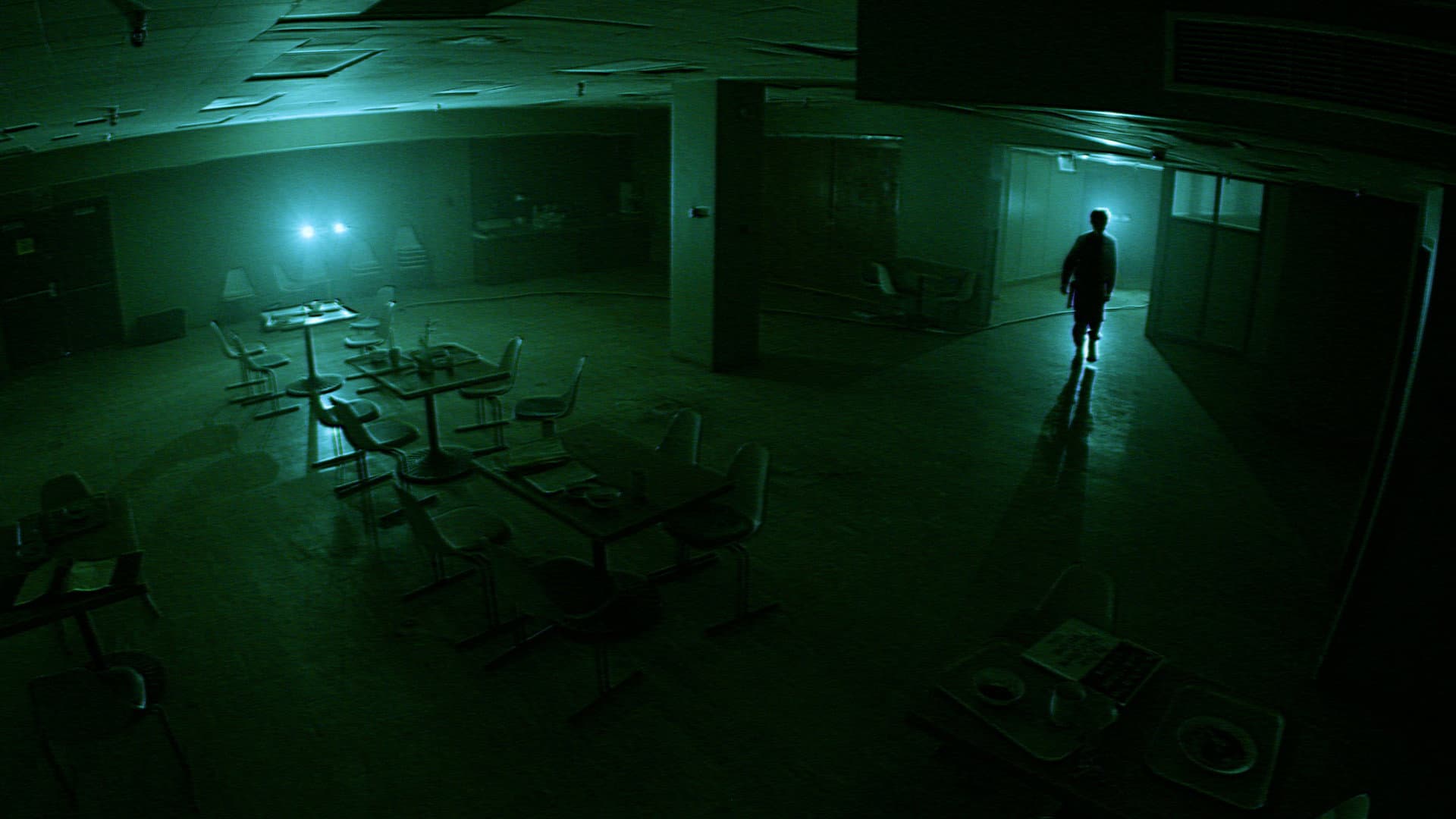
The setup sounds like the beginning of every campfire story you've ever heard, except this one comes with a date attached: 2023. A guard named Edward, played by Paul Syre, takes a gig watching over an old psychiatric hospital. It's his first night. He clocks in, does his rounds, and then - like so many horror protagonists before him - he vanishes. What's left behind is his bodycam footage, and according to the film's premise, that footage holds images nobody has been able to explain since.
If that premise feels uncomfortably close to real life, you're not imagining it. Bodycam horror is having a moment precisely because we've all watched actual bodycam clips that made our skin crawl. Infirmary leans all the way into that unease. Director Nicholas Pineda, working with an 85-minute runtime, doesn't have much room to waste, and early word suggests he doesn't waste much. The movie dropped on October 2, a release date that practically begs you to watch it with the lights off and then immediately regret that decision.
The cast is small, which is exactly how you want a movie like this. Syre anchors the whole thing as Edward, the guy whose last shift becomes the audience's last shift too. He's joined by Mark Anthony Williams as Lester, Danielle Kennedy as Ms. Downey, and Corinna Wagner-Smith as a character simply called Vagrant - a name that promises exactly the kind of unsettling encounter these movies live and die on. Names like "Ms. Downey" and "Vagrant" have a way of lodging in your brain before you've even seen a frame. What's Ms. Downey's deal? What did the Vagrant see? The film, wisely, doesn't seem interested in spelling everything out.
That ambiguity is baked into the movie's DNA. The official synopsis doesn't tell you what happened to Edward. It tells you investigators are baffled - and it frames the whole thing like a case file that's still open. That's a smart play. Horror audiences in 2026 are more skeptical than ever; we've been burned by endings that explain too much and monsters that lose their power the second the camera gets a clean look at them. Infirmary appears to understand that the scariest thing in the room is often the thing you can't quite make out.
The reception so far has been interestingly split, which for a horror movie is almost a badge of honor. On IMDb, the film sits at a 6.4, while TMDb users have it at 5.571. That gap tells its own story. It suggests a movie that lands differently depending on who's watching and how late at night they pressed play - the kind of title that divides a living room into "that was terrifying" and "that was nonsense," with nobody in between. Divisive horror has a long, proud tradition. Some of the genre's most enduring entries started out exactly this way, dismissed by some and defended like scripture by others. Whether Infirmary joins those ranks is a question only time and repeat viewings will answer.
What's clear is that Pineda is swinging for atmosphere over exposition. An old psychiatric hospital is basically a loaded weapon in horror terms - the architecture does half the work for you. Long corridors. Flickering fluorescents. Rooms that were designed to keep people in. Add a bodycam perspective, where the frame is limited to whatever the wearer is looking at, and you've got a recipe for claustrophobia that a traditional camera can't replicate. The audience only sees what Edward saw. When Edward stops seeing anything, that's when things get interesting.
Horror in 2026 has been crowded, and October is always a bloodbath at the box office. But Infirmary isn't trying to out-spectacle anyone. It's a small, mean, 85-minute ghost story with a gimmick that doubles as its greatest strength. The footage exists. The guard doesn't. Investigators are still scratching their heads. If you're the type who needs every question answered, this one might frustrate you. If you're the type who lies awake wondering what was really in the corner of that last frame - well, you already know this movie was made for you.