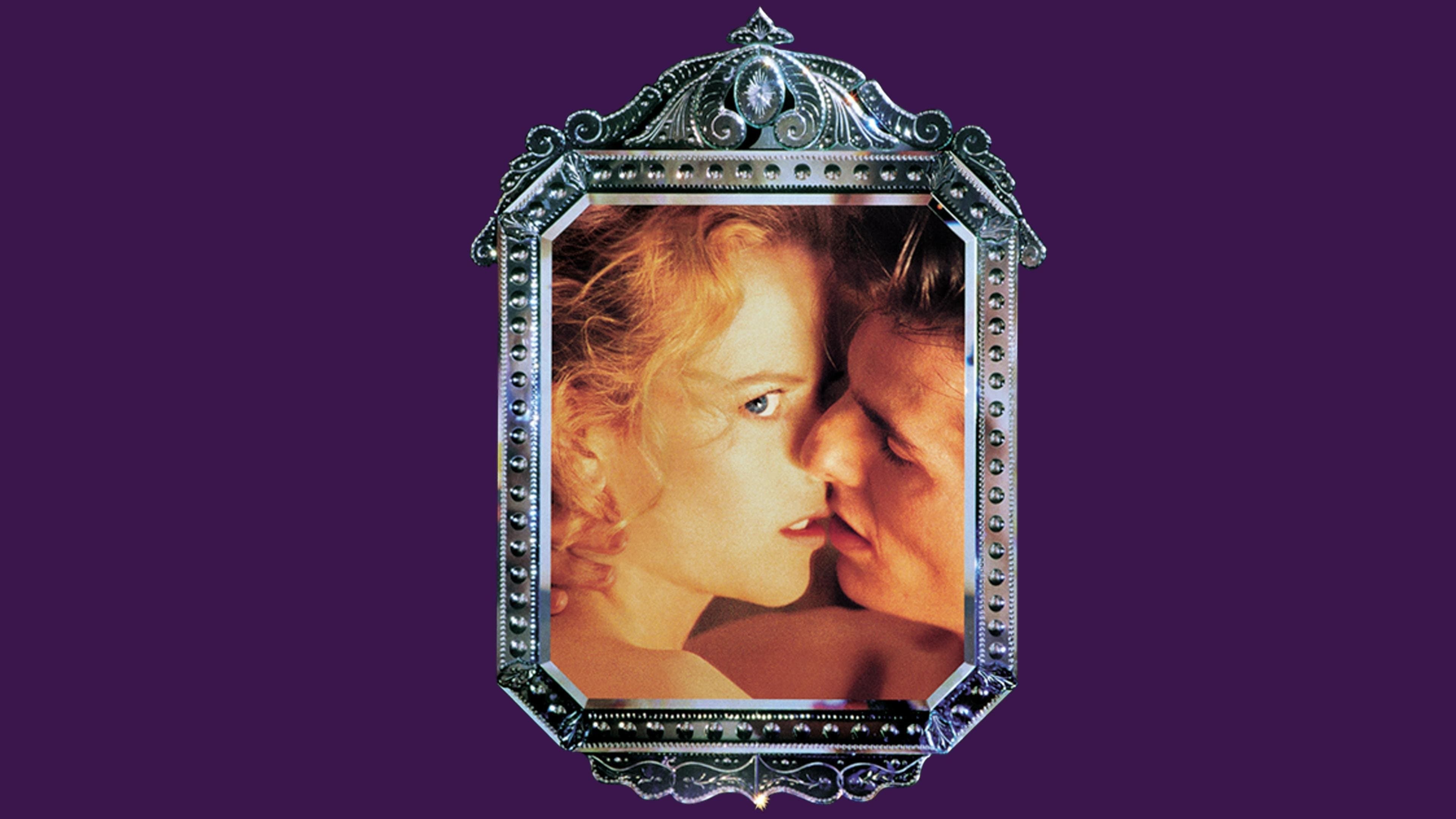
It’s been over a quarter-century since Stanley Kubrick’s final film, Eyes Wide Shut, haunted audiences with its dreamlike, ominous exploration of marriage, jealousy, and secret societies. For almost as long as that, a persistent rumor has lurked in the shadows of the movie’s legacy: the idea that the version audiences saw in theaters was a butchered cut, with roughly 20 minutes of crucial footage snipped out before release. Now, Kubrick’s own daughter has stepped into the spotlight to finally address the conspiracy head-on.
According to a new report, Katharina Kubrick is pushing back hard against the long-held fan theory, offering a rare, deeply personal look into her father's meticulous process. She’s essentially telling the faithful: stop waiting for a director's cut that doesn't exist. This isn't just a casual dismissal; it’s a firm, insider correction from someone who was actually there during the film's notoriously lengthy production. The news sends ripples through a fan community that has spent decades dissecting every frame, wondering if a "true" version of the film was sitting in a vault somewhere.
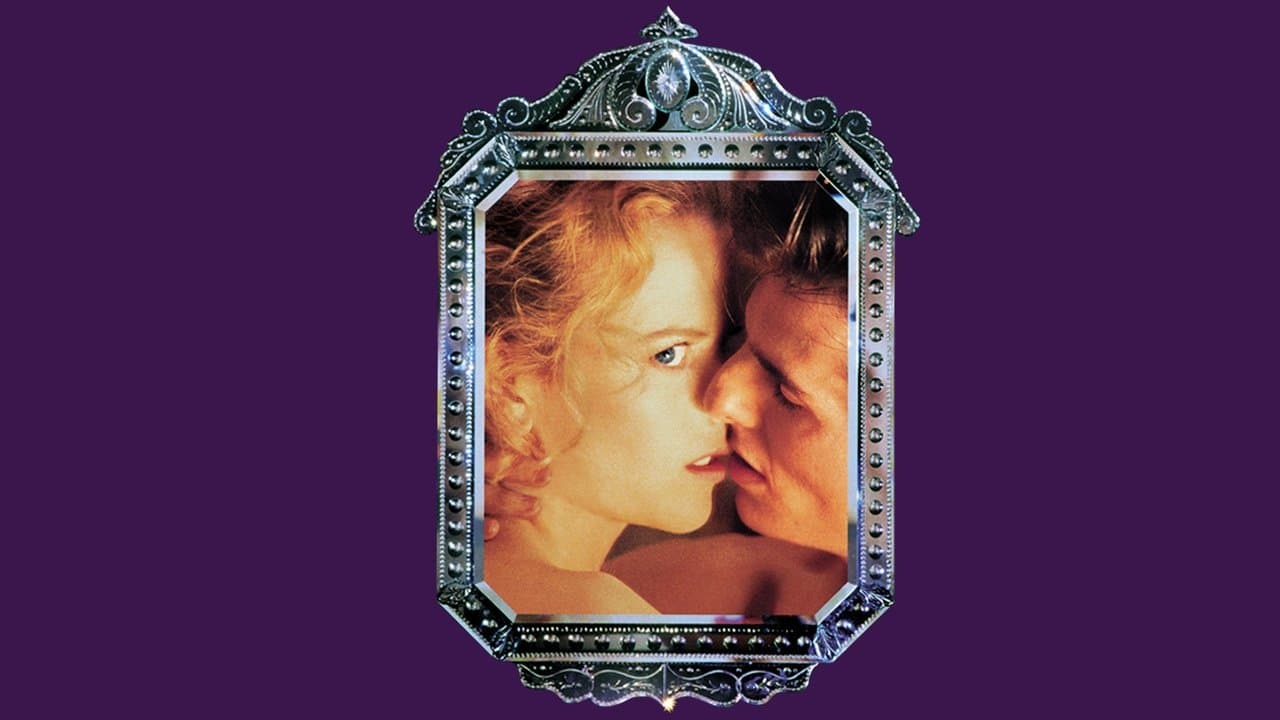
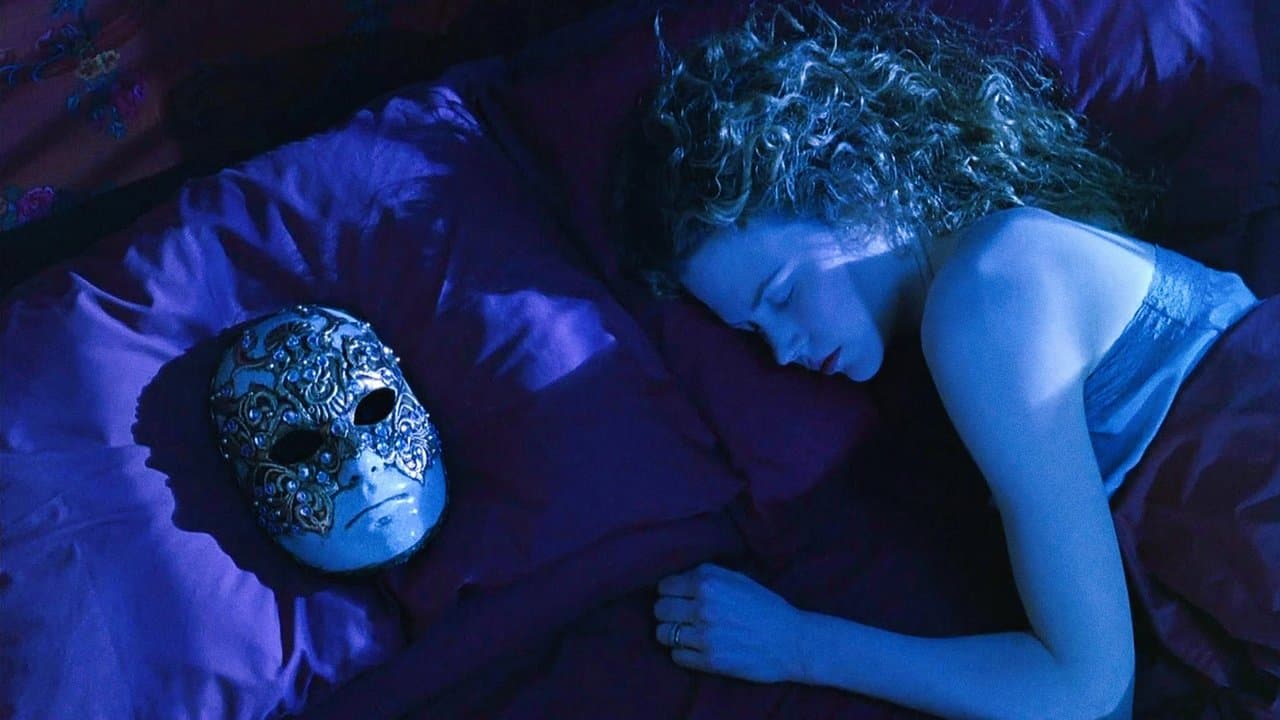
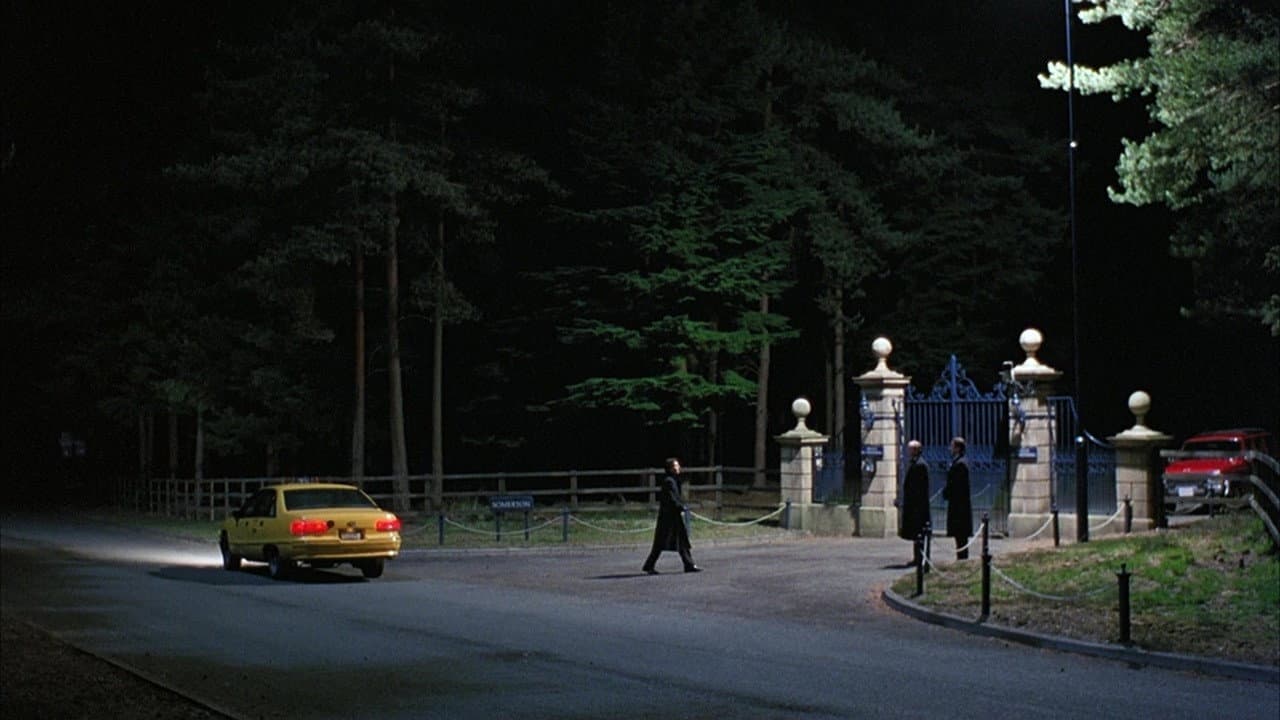
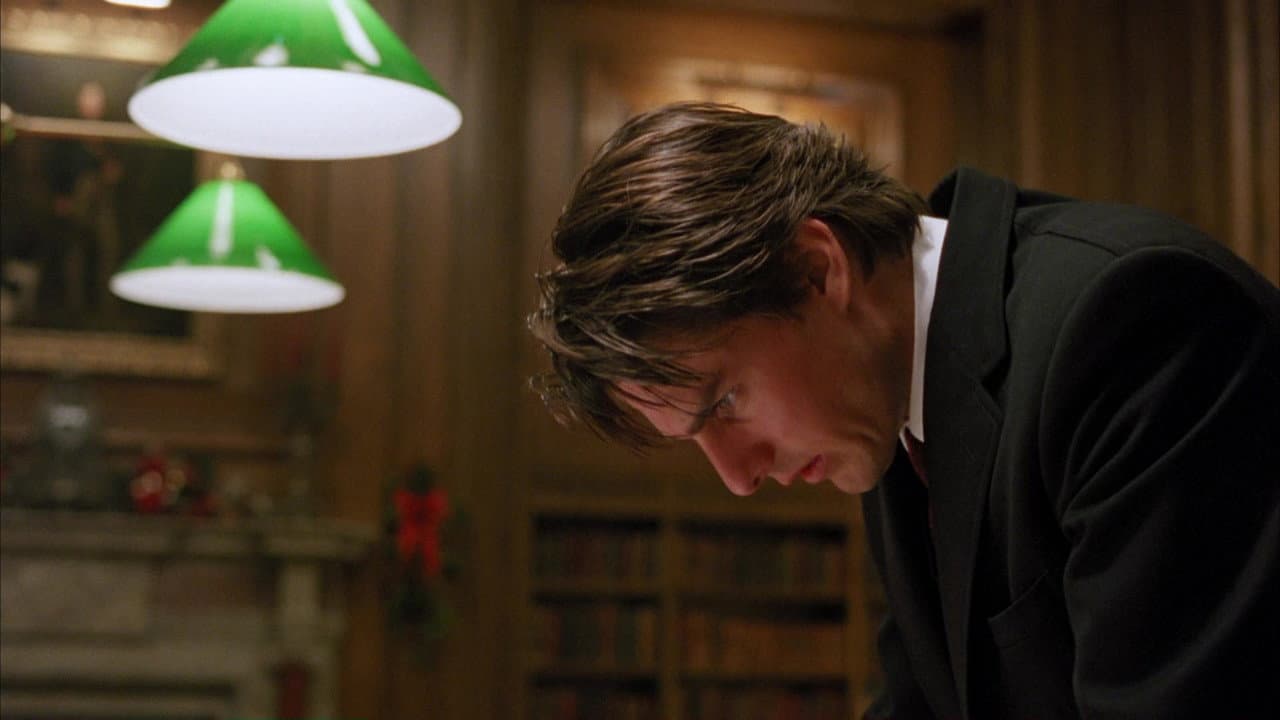
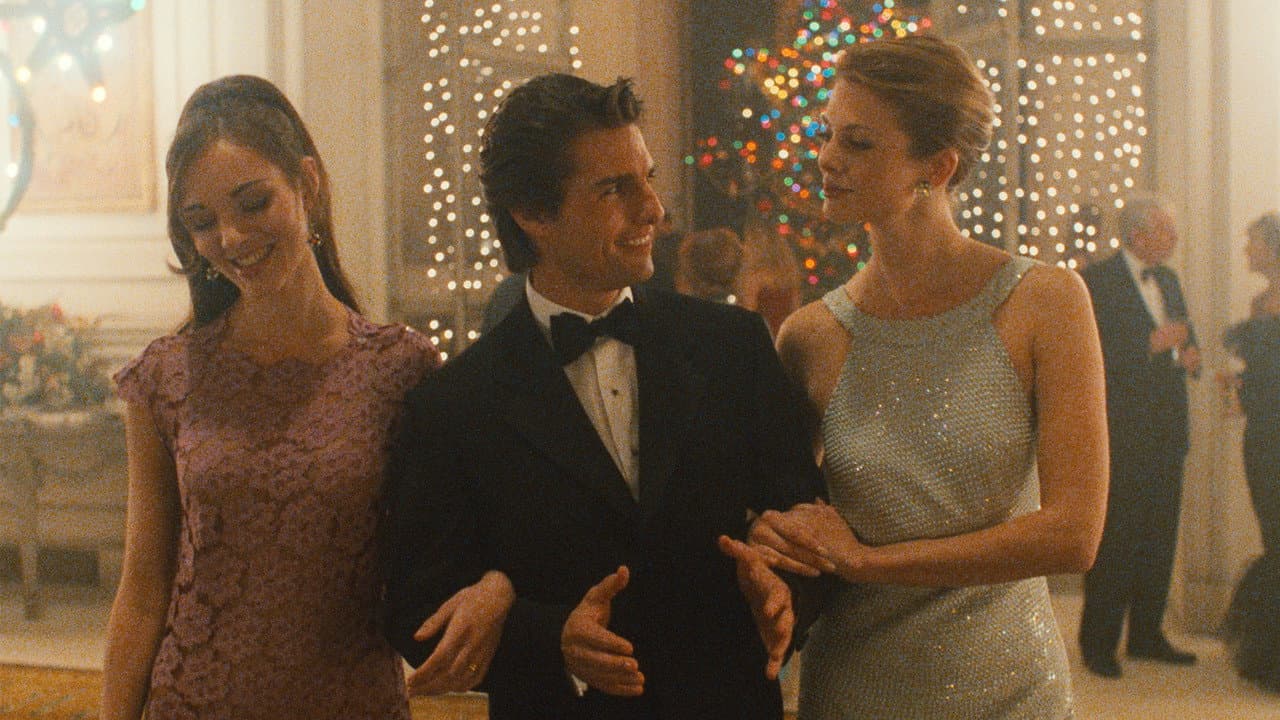
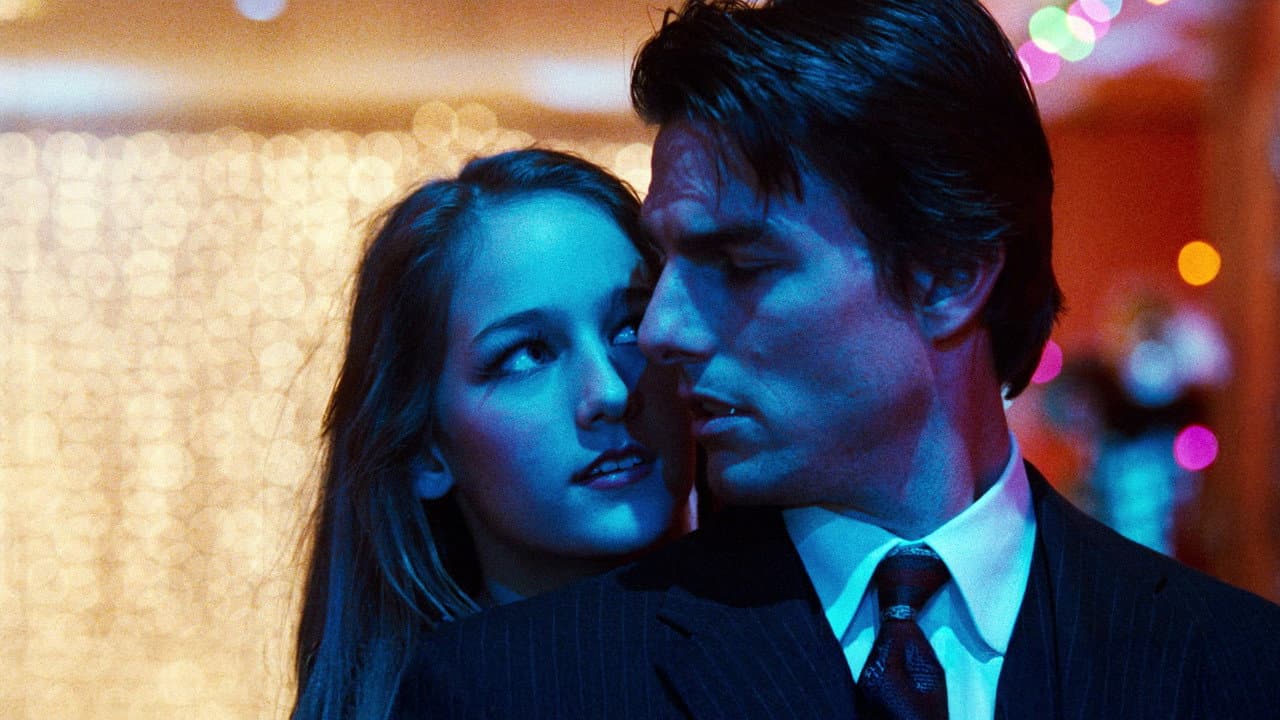
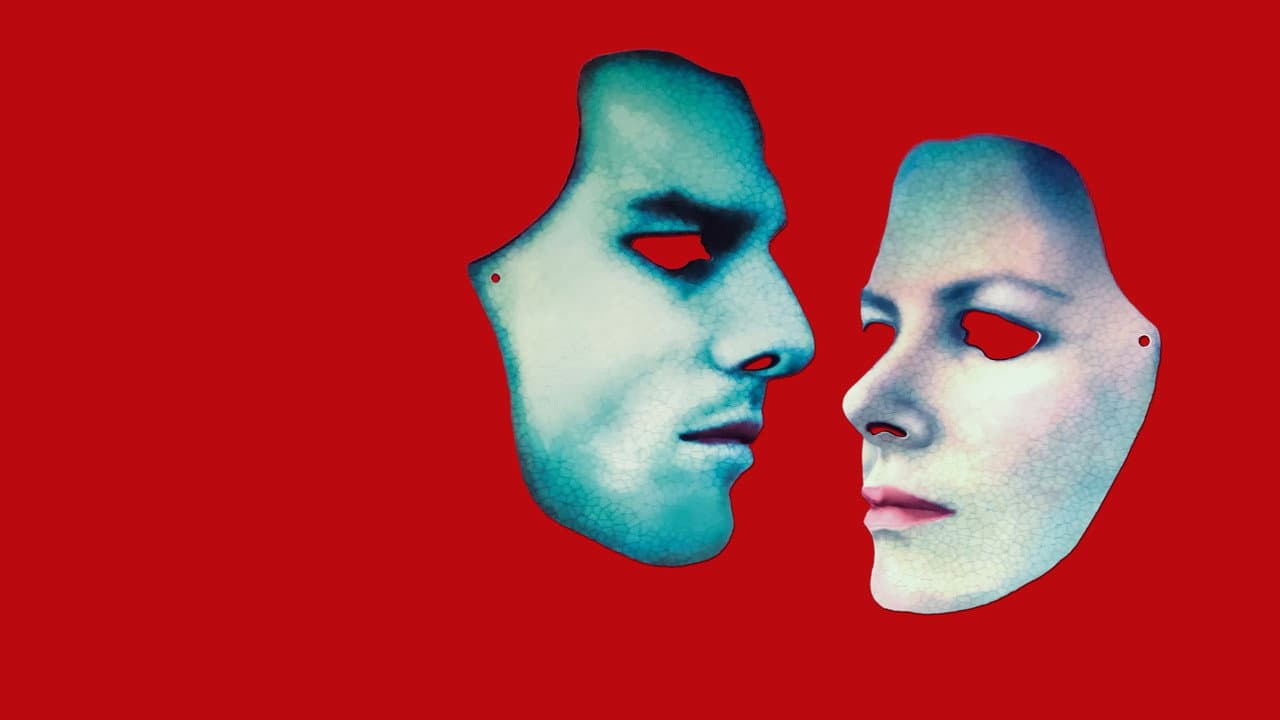
The myth itself is a fitting piece of lore for a movie as mysterious as its plot. The basic story, you'll recall, follows Tom Cruise’s Dr. Bill Harford into a nocturnal New York City nightmare after his wife Alice - played by Nicole Kidman - confesses to a powerful sexual fantasy about a stranger. Bill’s wounded ego sends him on a spiral through the city's underbelly, culminating in a masked orgy at a mansion that feels more like a fever dream than reality. The film’s dense, hazy atmosphere and deliberate pacing have always made it a prime candidate for "what-if" speculation. The idea that Warner Bros. forced Kubrick to trim a chunk of the movie - perhaps to secure an R-rating instead of an NC-17 - was catnip for obsessive fans.
But Katharina’s recollection tells a much simpler story. She maintains that the version released on July 16, 1999, is the definitive one, exactly as her father intended it to be seen before his untimely death just days after delivering the final print. The "missing" 20 minutes, she argues, is a figment of collective imagination, a misunderstanding of how Kubrick worked. He wasn't a filmmaker who shot extra footage and then had it taken away; he was notoriously exacting, often shooting hundreds of takes to get a single moment exactly as he envisioned. The final cut was a surgical, deliberate result of years of work. In her view, the idea that a censor’s scissors, rather than Kubrick's own scalpel, shaped the final runtime of 159 minutes is simply at odds with the reality of his obsessive control.
This rebuttal isn't just an end to a fun little piece of trivia; it reshapes the conversation around the film. For years, fans have debated the pacing of the second half, the abrupt tonal shifts, and the slightly detached quality of some scenes, often concluding that the seams in the narrative must be evidence of cuts. Katharina’s intervention suggests that those seams are, in fact, part of the movie's deliberate texture - an intentional sense of unease and dislocation that was always the point. It’s a bold re-frame, asking us to accept that the film’s occasional awkwardness is not a flaw born of editing-room panic, but a feature masterfully crafted by a director who had complete command of his medium until the very end.
The movie itself, for the record, remains a fascinating cultural artifact. It was a huge event upon release, of course, marking the then-married Cruise and Kidman teaming up for their only on-screen collaboration. The film’s star wattage was off the charts, but the mood was anything but a blockbuster gloss. With a TMDb rating of 7.5/10, it’s a thriller that’s more about psychological dread than jump scares, a mystery that offers no easy answers, and a drama that cuts deep into the anxieties of monogamy. It features a phenomenal supporting cast - Sydney Pollack, Todd Field, Vinessa Shaw, Alan Cumming - each adding a layer of strange texture to Bill's unsettling journey alongside Kidman and Cruise.
Ultimately, the death of this conspiracy theory might feel like a loss to some fans who enjoy the idea of a hidden masterpiece. But there's a cleaner, more poignant narrative in accepting what we have. Kubrick died a master, and Eyes Wide Shut was his parting gift. His daughter’s statement essentially asks us to believe that he walked away from it fully satisfied, having told exactly the story he needed to tell. That might be the most definitive and fitting end to this mystery of all - no hidden reels, just a final, enigmatic wink from a genius who knew exactly what he was doing. So, pour one out for the dream of a new cut, but take a moment to appreciate the film we actually have: a strange, hypnotic, and uncompromising swan song.
Source: The Hollywood Reporter