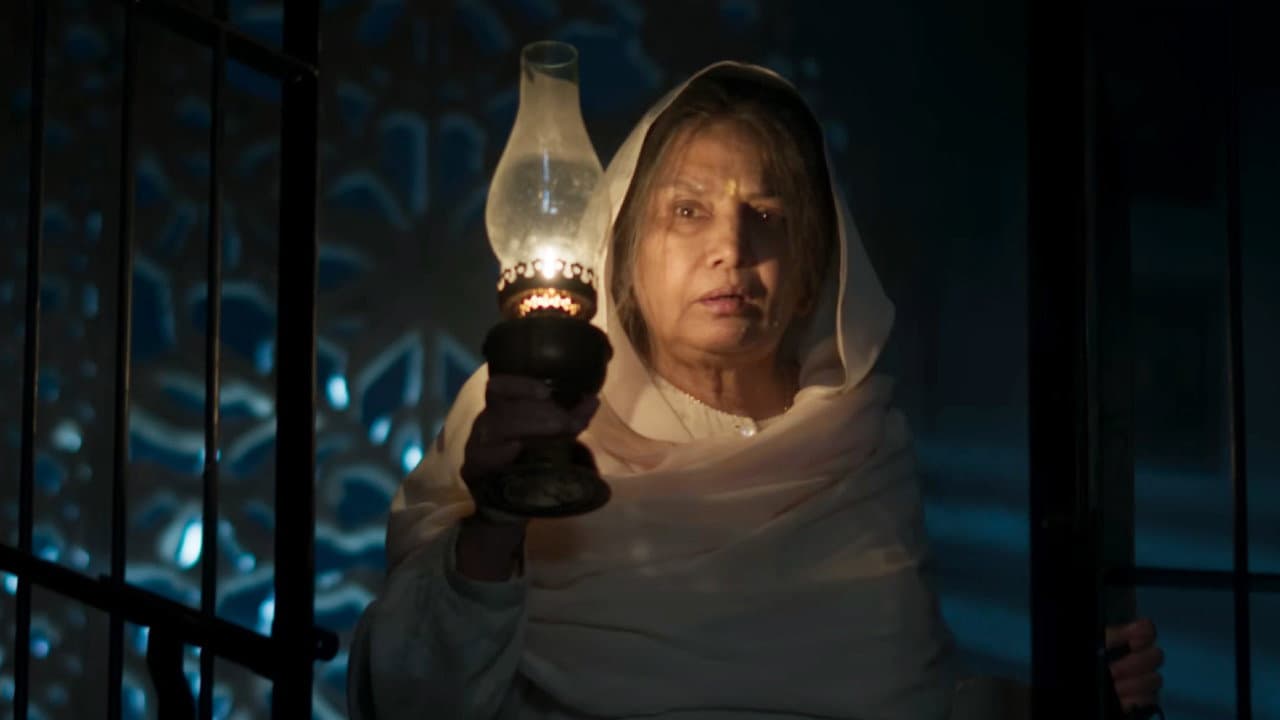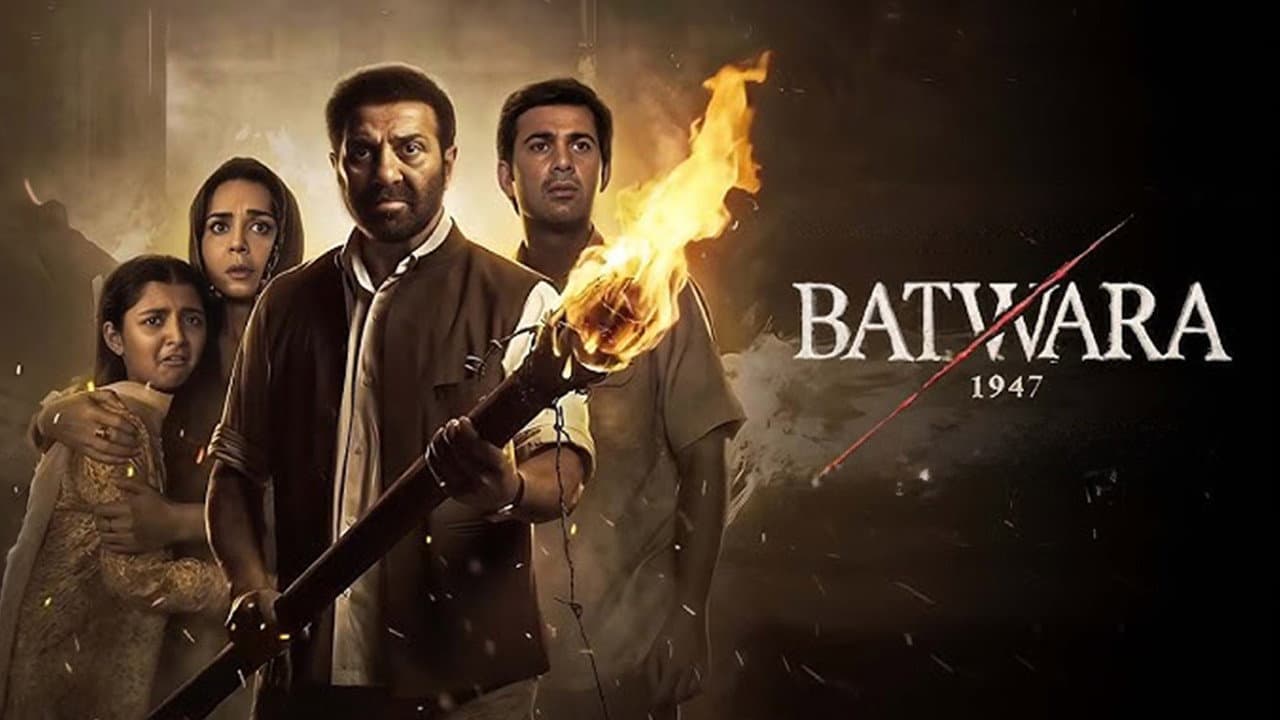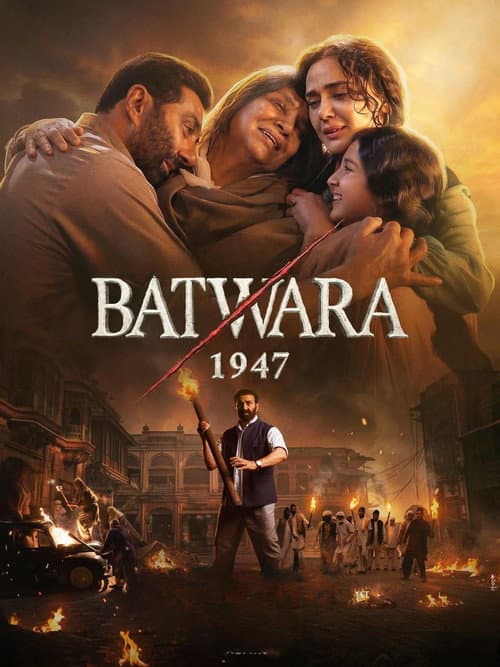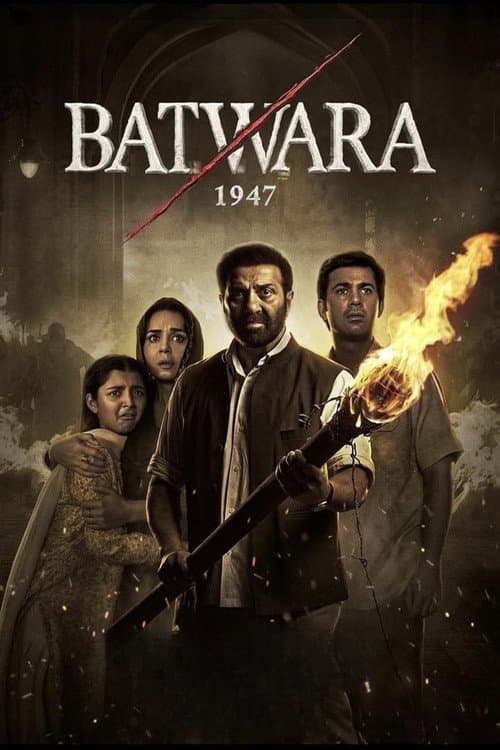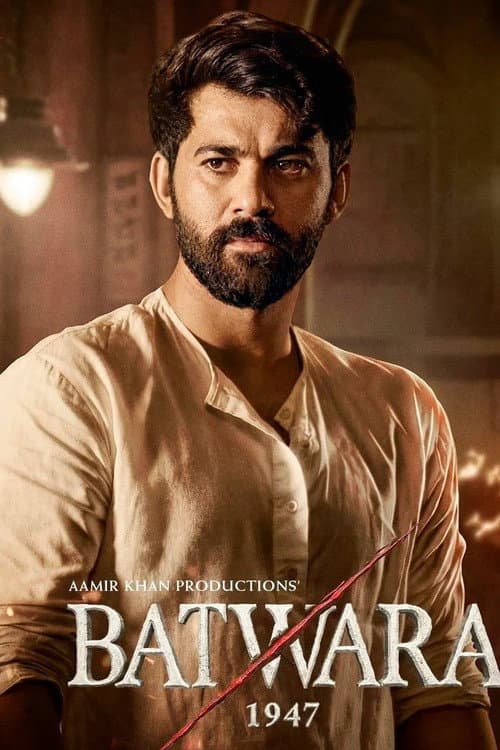
It’s August 1947. Lahore is burning. Not literally everywhere, but the air is thick with fear, mistrust, and the sharp smell of petrol bombs. Mai (Shabana Azmi), an elderly Hindu widow in her late 70s, has spent her entire life in a beautiful haveli in the old city. Her husband is buried in the backyard garden. Her memories are etched into every wall, every crack, every jharokha. She refuses to leave. Her son, Javed Mirza (Karan Deol, playing against type as a conflicted young man with a British-commissioner’s badge), begs her to come to Delhi. She says no. Period.
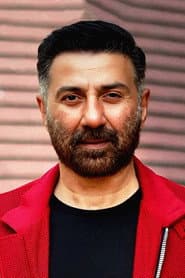
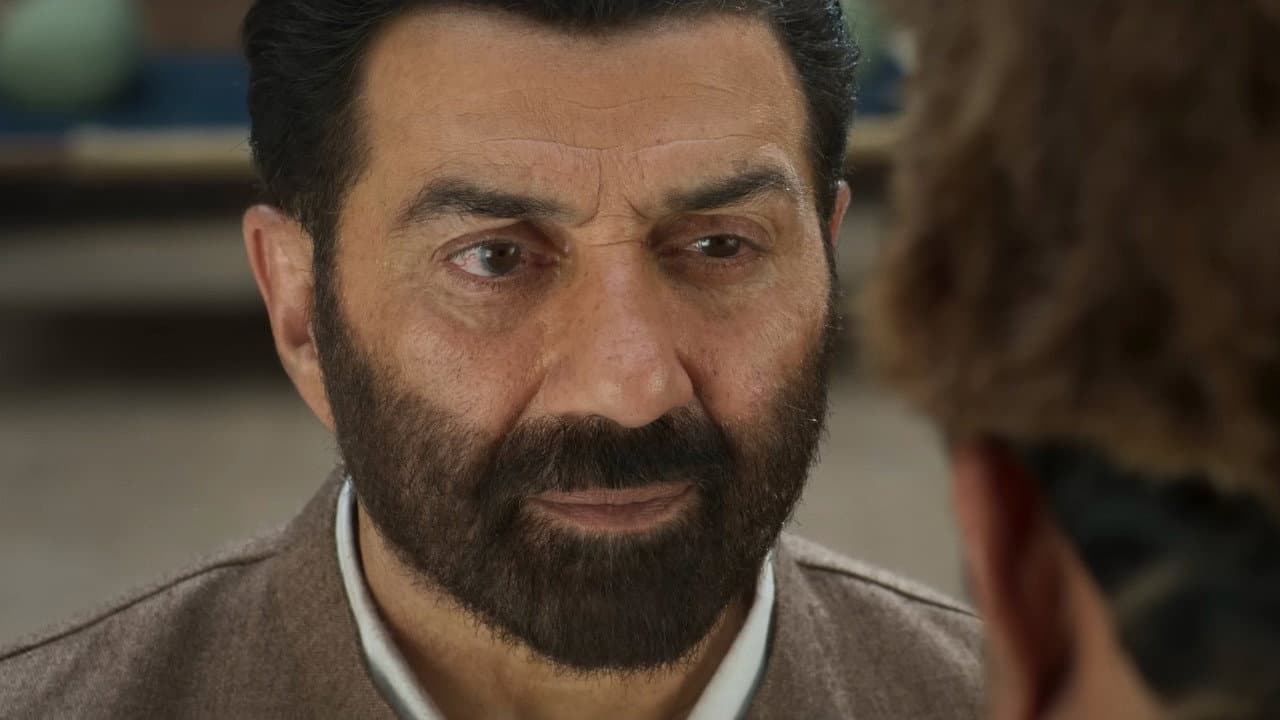
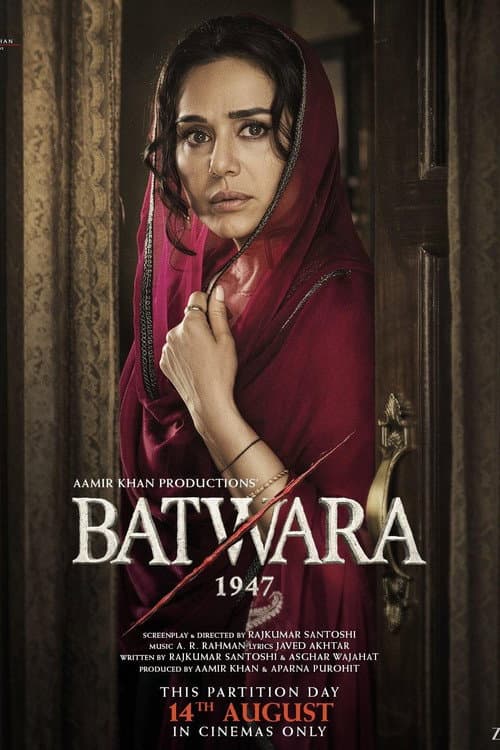
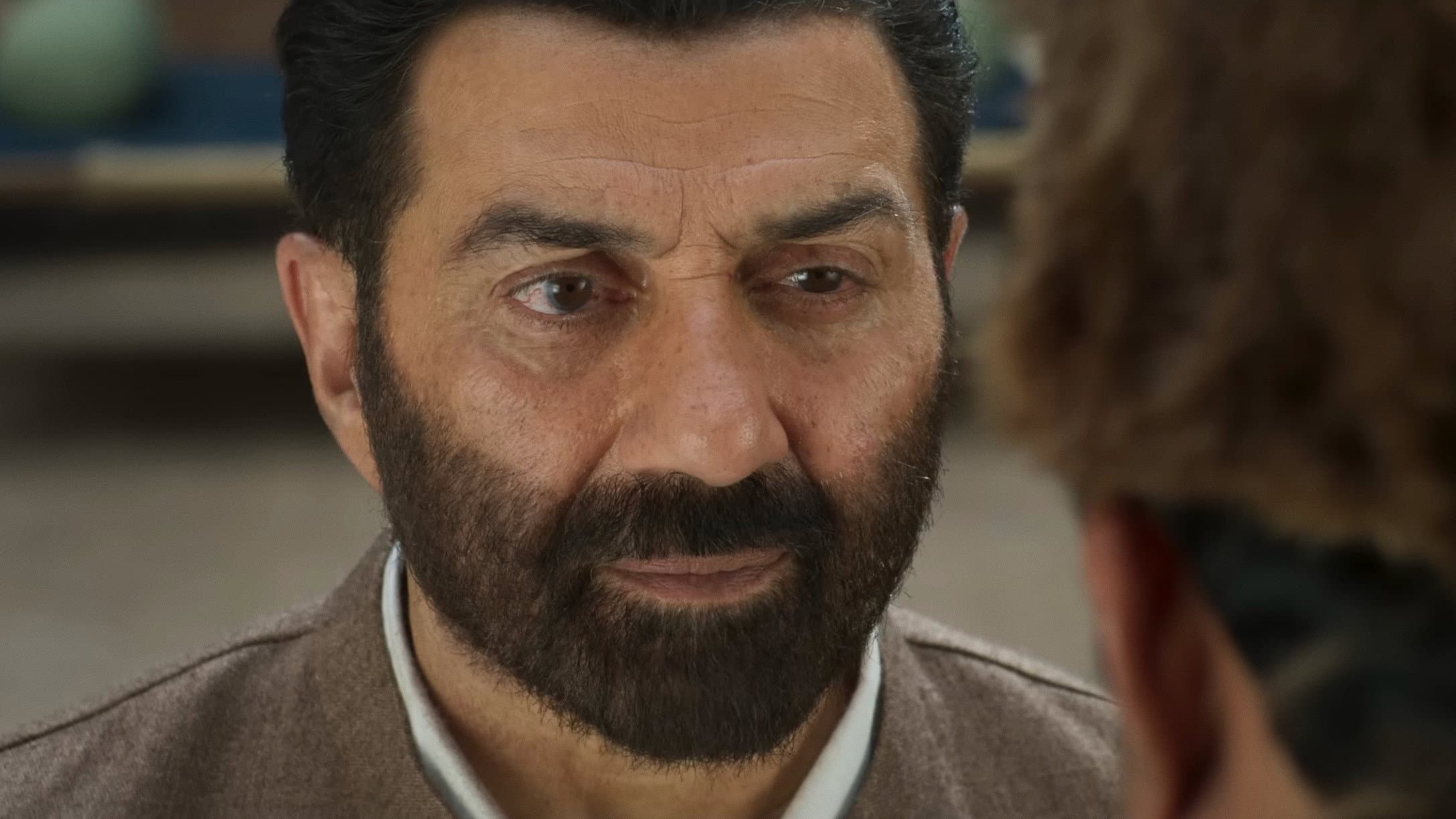
But the Partition doesn’t care about sentiment. Pakistan is born, and the haveli is allotted to Sikander Mirza (Sunny Deol), a burly, retired army officer from Lucknow who arrives with his wife Hamida (Preity Zinta), their daughter Tanno (Khushi Hajare), and a truckload of hope. Sikander is a Muslim, but his name - and the irony of both families sharing the surname “Mirza” - is the film’s first, not-so-subtle wink at our shared humanity. The two families collide. Mai refuses to leave her room. Sikander refuses to leave his allotted home. The result is a standoff that mirrors the larger national tragedy happening outside their gates.
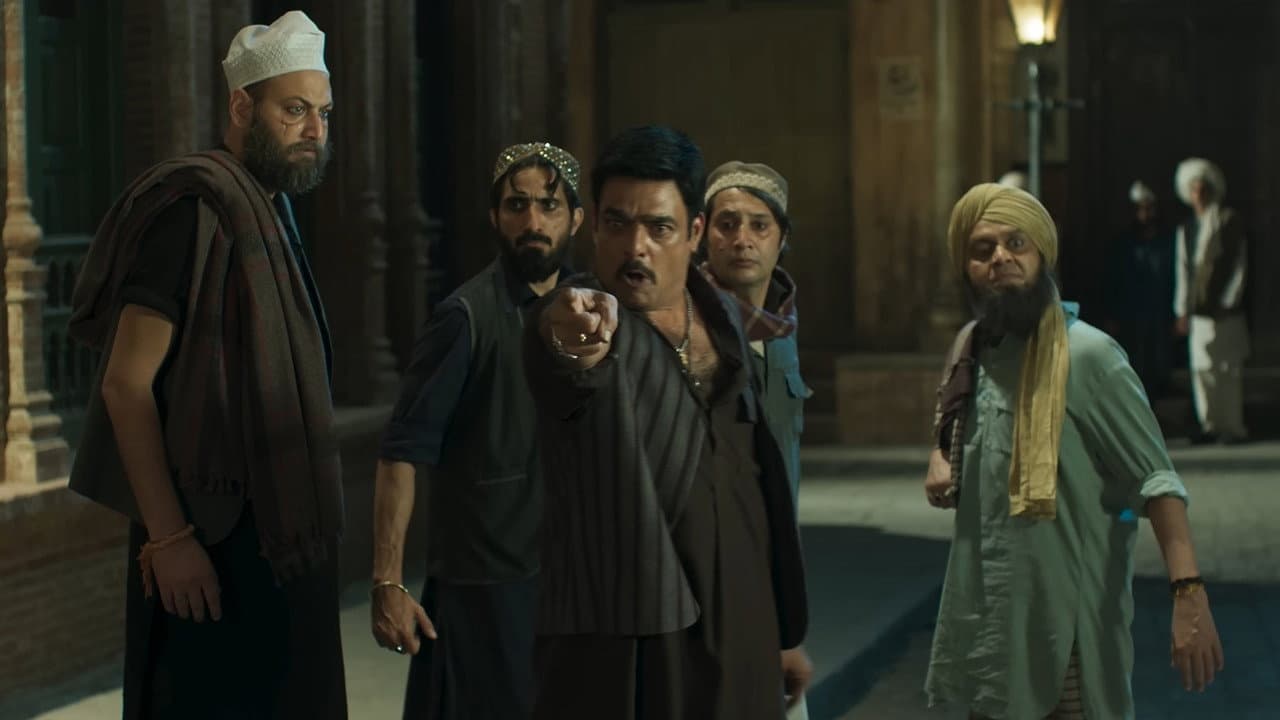
Meanwhile, Yakub Khan (Abhimanyu Singh), a local thug with a vendetta, and Habib Anwar (Ali Fazal, giving a deliciously snake-like performance), a smooth-talking political operative, are stirring communal hatred to consolidate power. They don’t care about religion; they care about land and control. As the violence escalates, Mai and Sikander are forced into an unlikely alliance. Because the barbarians aren’t at the gates - they’re inside them, dividing families, poisoning minds, and turning neighbors into enemies.