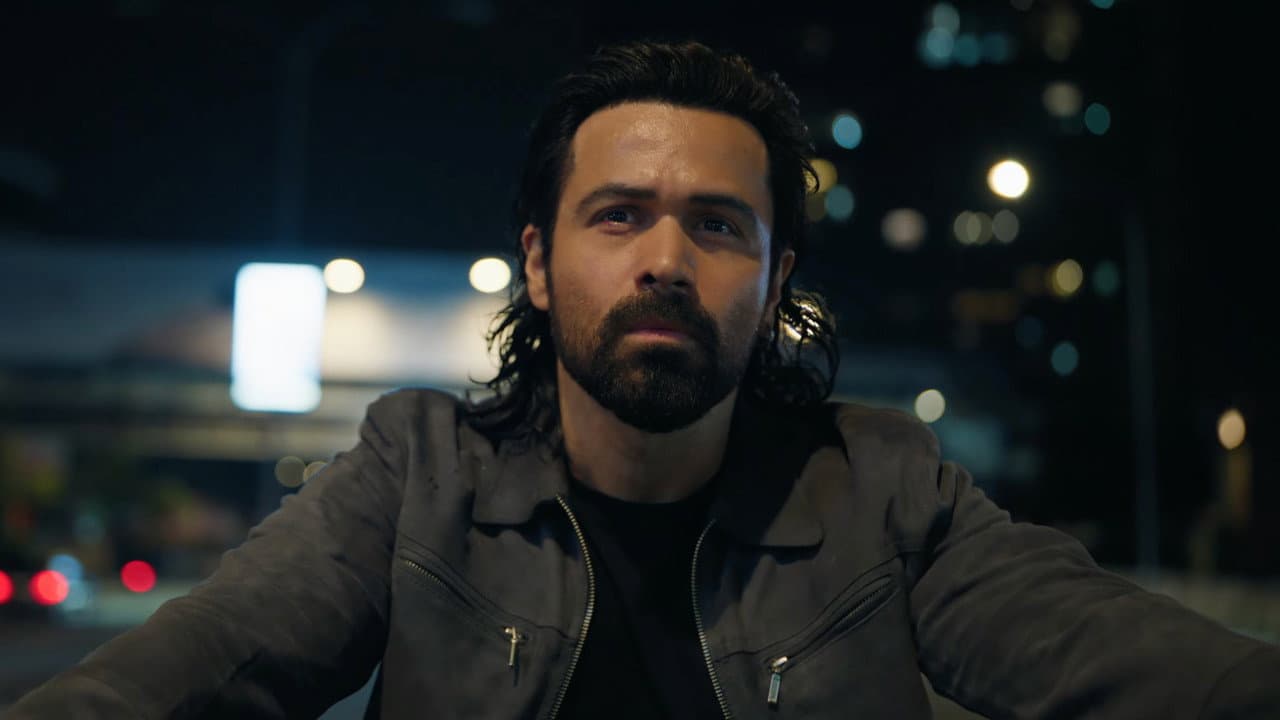
Let’s get the obvious out of the way: Emraan Hashmi is phenomenal. He’s aged into a kind of weary, granite-faced gravitas that makes every glance feel like a confession. Shivam isn’t the cocky, slick operator of 2007; he’s a man carrying a cemetery in his chest. Hashmi plays him with a quiet, wounded intensity that anchors the film even when the plot gets tangled.
Director Nitin Kakkar (Sui Dhaaga, Mitti: Back to the Roots) is an interesting choice for this material, and it shows - in the best way. He treats Awarapan 2 less like a gangster thriller and more like a character study that occasionally erupts into violence. The action sequences are sparse but brutal, choreographed with a raw, grounded ferocity that feels a world away from the slick ballets of modern Bollywood. One particular chase through a rain-soaked Mumbai slum is worth the ticket price alone - it’s messy, desperate, and feels like it actually hurts.
But the film’s real weapon is its emotional core. Shabana Azmi, as ever, is a force of nature. Her scenes with Hashmi crackle with a maternal warmth that feels earned, not written. Disha Patani, often relegated to eye-candy roles, gets a proper character this time. Zara is sharp, vengeful, and physically imposing; Patani holds her own against Hashmi’s brooding superstar energy, and their chemistry is more partners-in-anguish than star-crossed lovers. Suvinder Vicky (the breakout of Kohrra) is superb as a cop who’s not sure if he’s chasing a criminal or an ally, while Aniruddh Rawal’s Sikander is a refreshingly calm villain - no cackling, just cold calculation.
Where the film stumbles is in its runtime. At 142 minutes, Awarapan 2 feels it. The middle act, particularly a stretch where Shivam and Zara go on a morphine-fueled mission to uncover a leaked list of informants, drags through repetitive dialogue and philosophical throat-clearing. The romance, while tender, often fights for space with the plot’s labyrinthine twists about double-crosses and secret identities - some of which you’ll see coming from a mile away.
Still, when the film commits to its themes, it soars. The climax, which I won’t spoil, is a brutal, poetic gut-punch that redefines the meaning of sacrifice. It’s the rare sequel that takes its hero’s soul seriously, refusing to let him off the hook with a heroic final stand. The music is serviceable, but the background score - a throbbing, melancholic pulse - does heavy lifting in the quieter moments. Is it a perfect movie? No. Is it a worthy, ambitious sequel? Absolutely. It’s Awarapan for a generation that’s seen too much - and it feels all the more real for it.