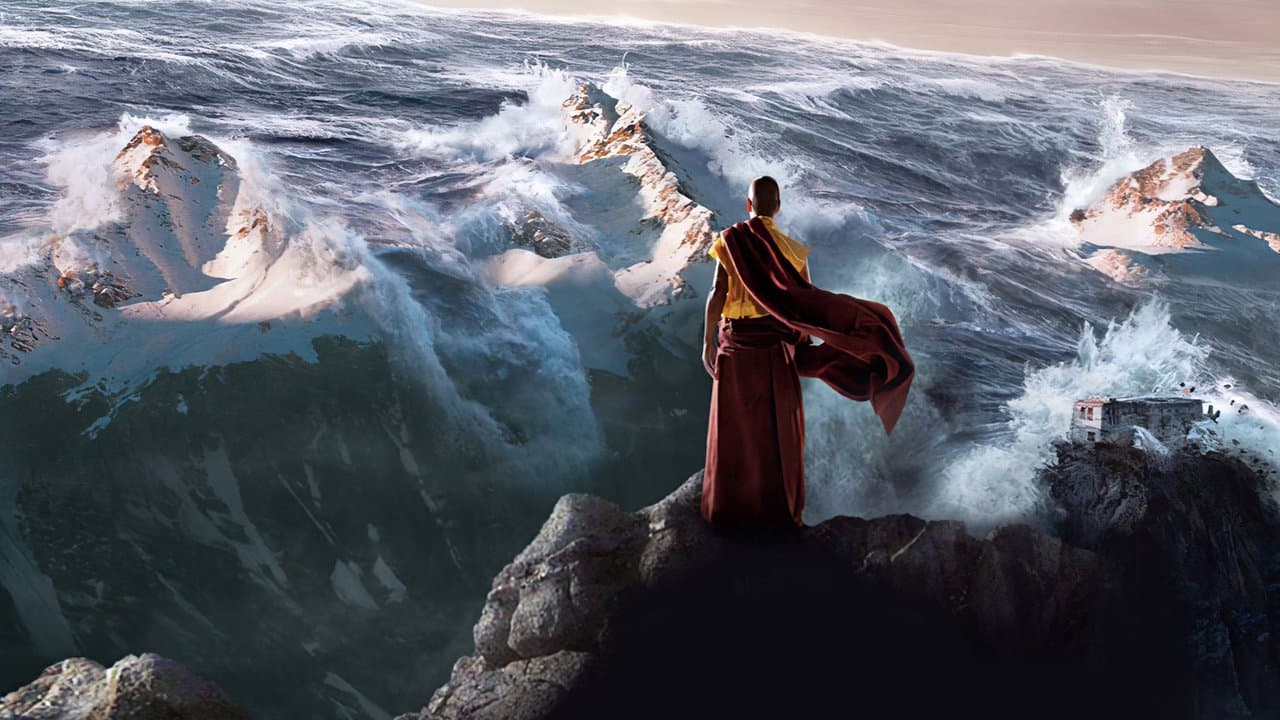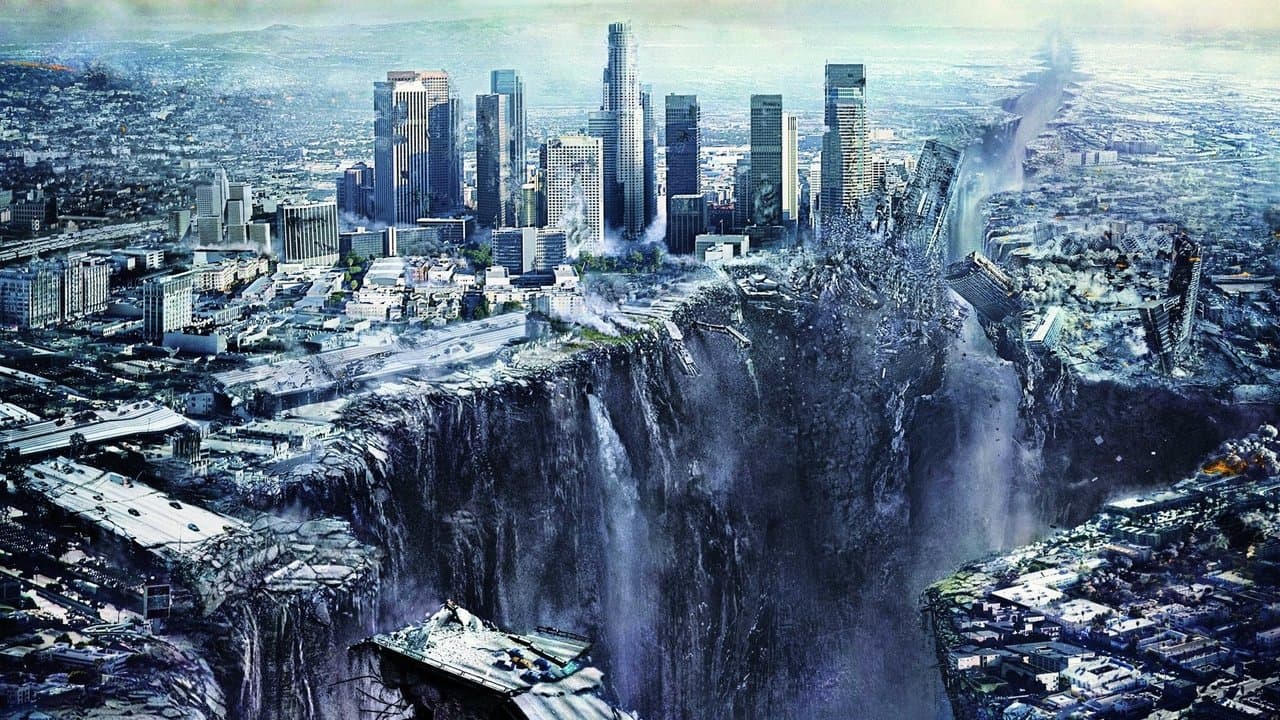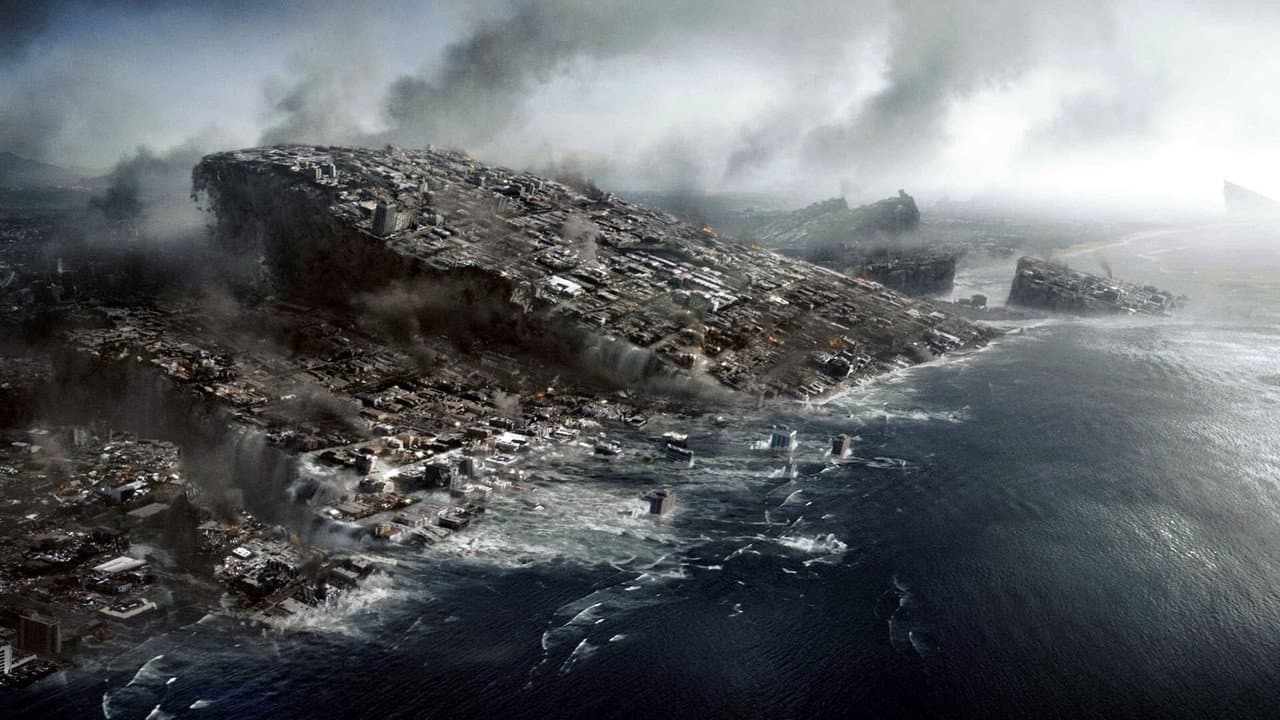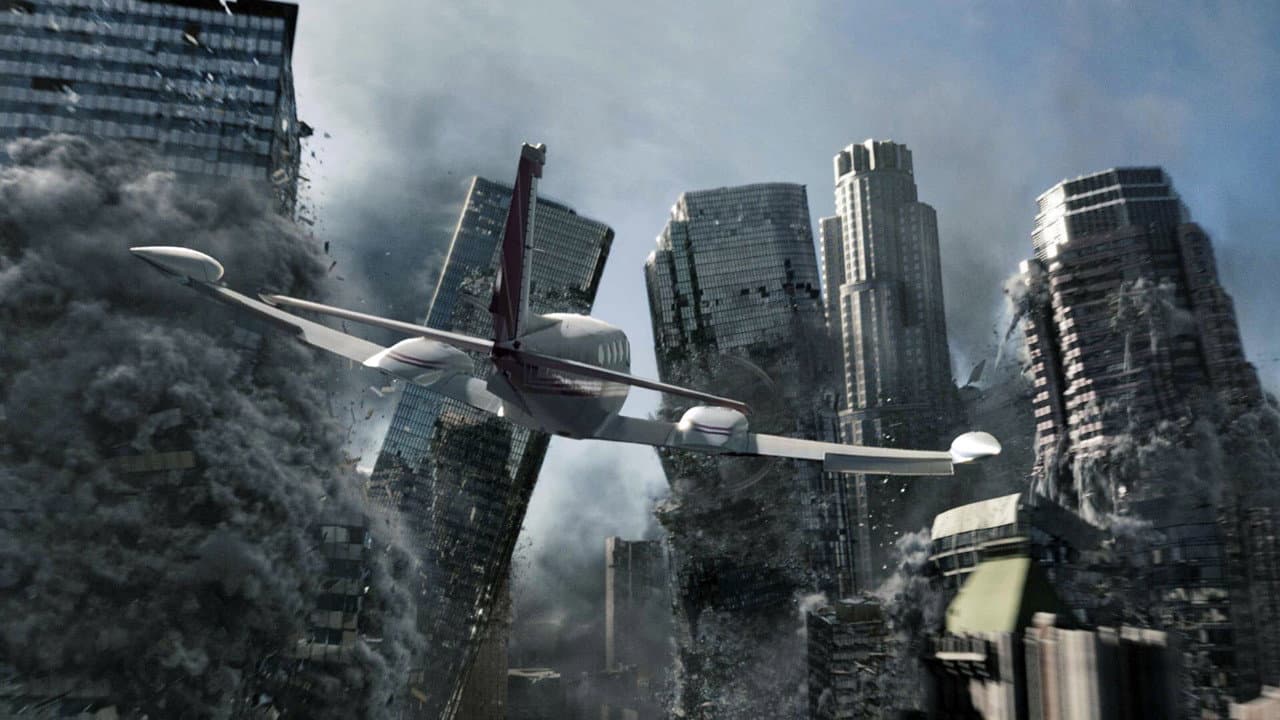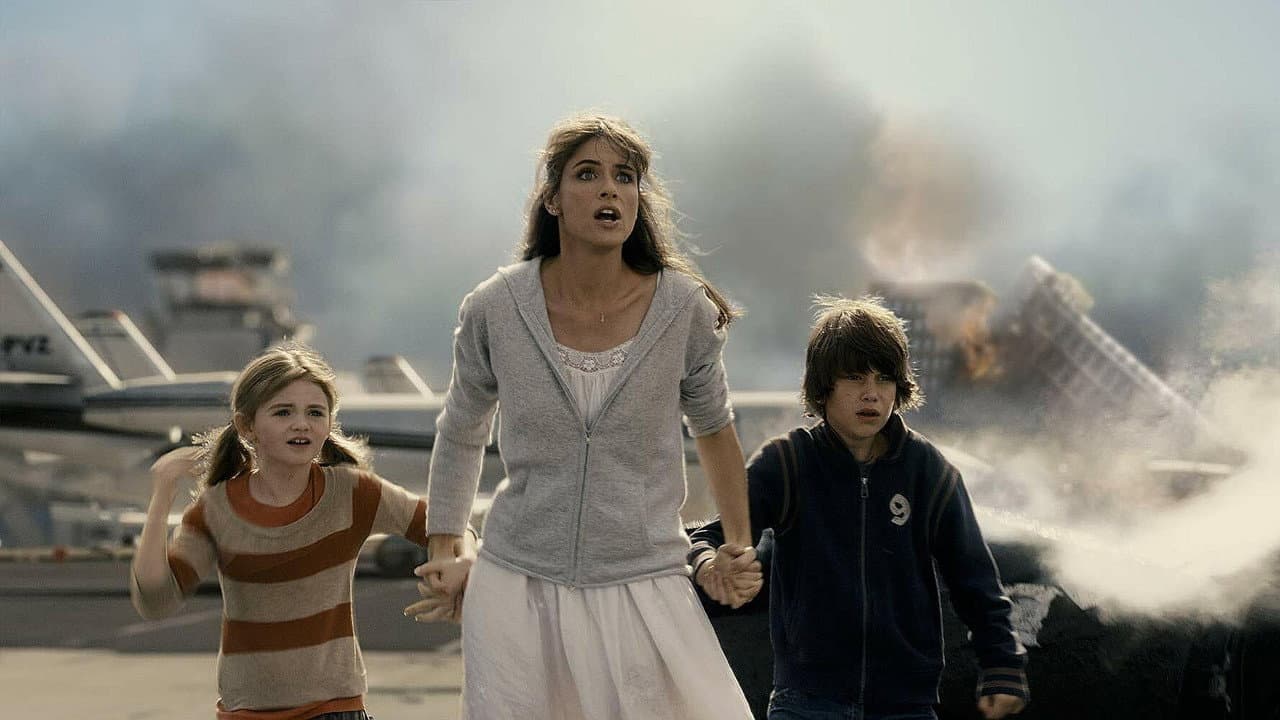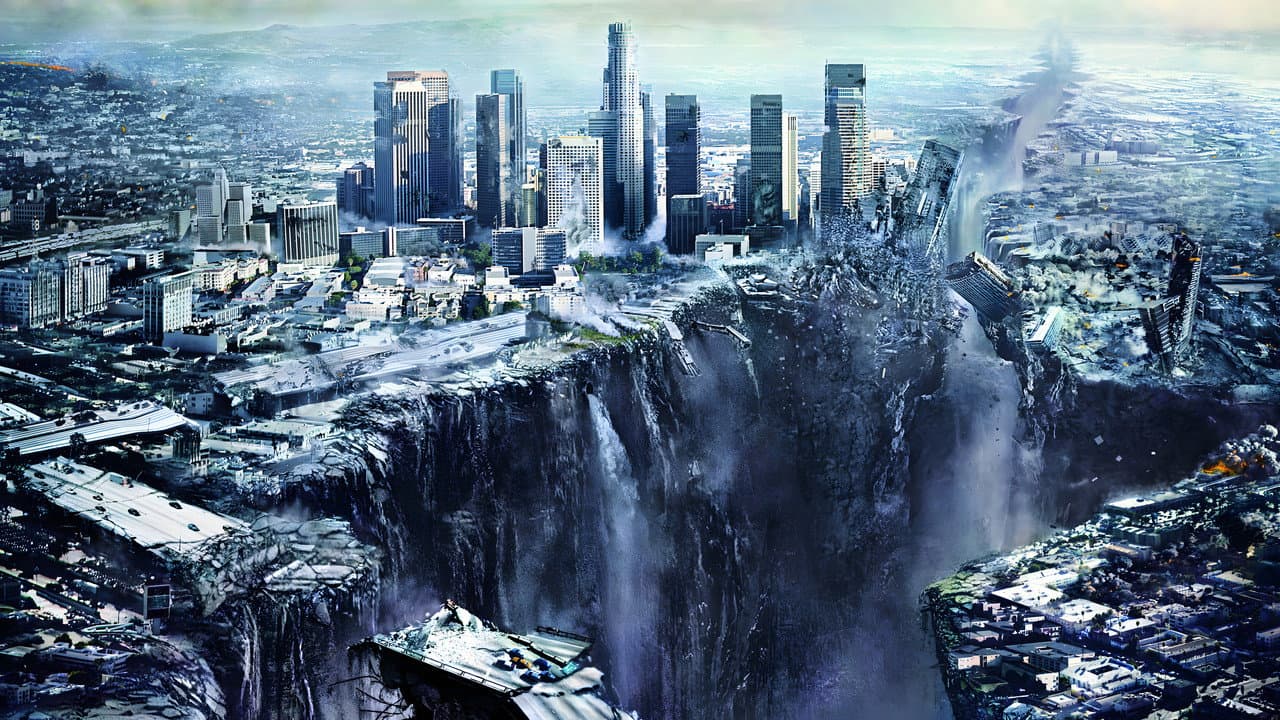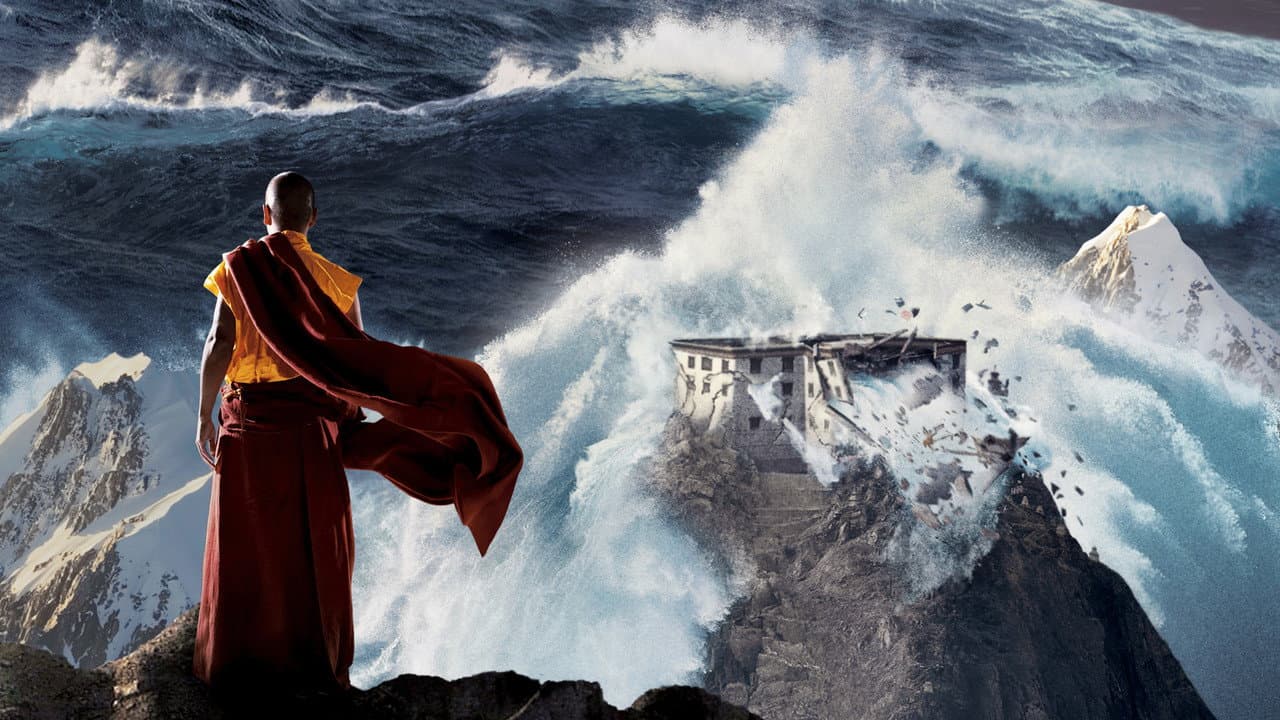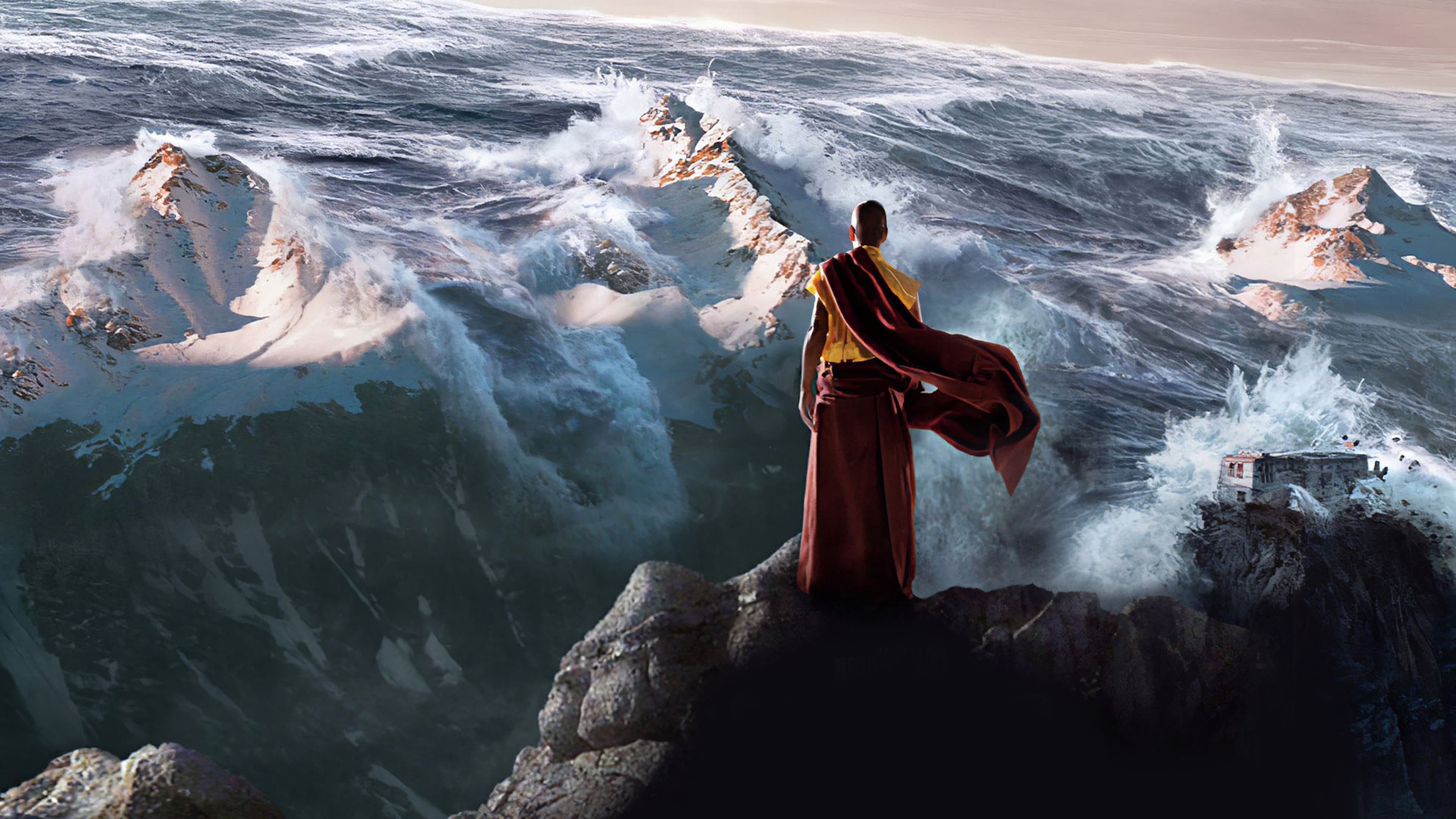
Well, life imitating art has a pretty dark sense of humor these days. The catastrophic floods currently devastating Nepal have sent social media into a frenzy, with countless users pointing a trembling finger at Roland Emmerich’s 2009 disaster epic, 2012. The film, which famously predicted a global apocalypse triggered by unprecedented solar storms and a melting Earth’s core, is suddenly feeling less like popcorn fiction and more like an eerily accurate weather forecast.
It’s the kind of coincidence that makes you want to double-check your doomsday prep kit.
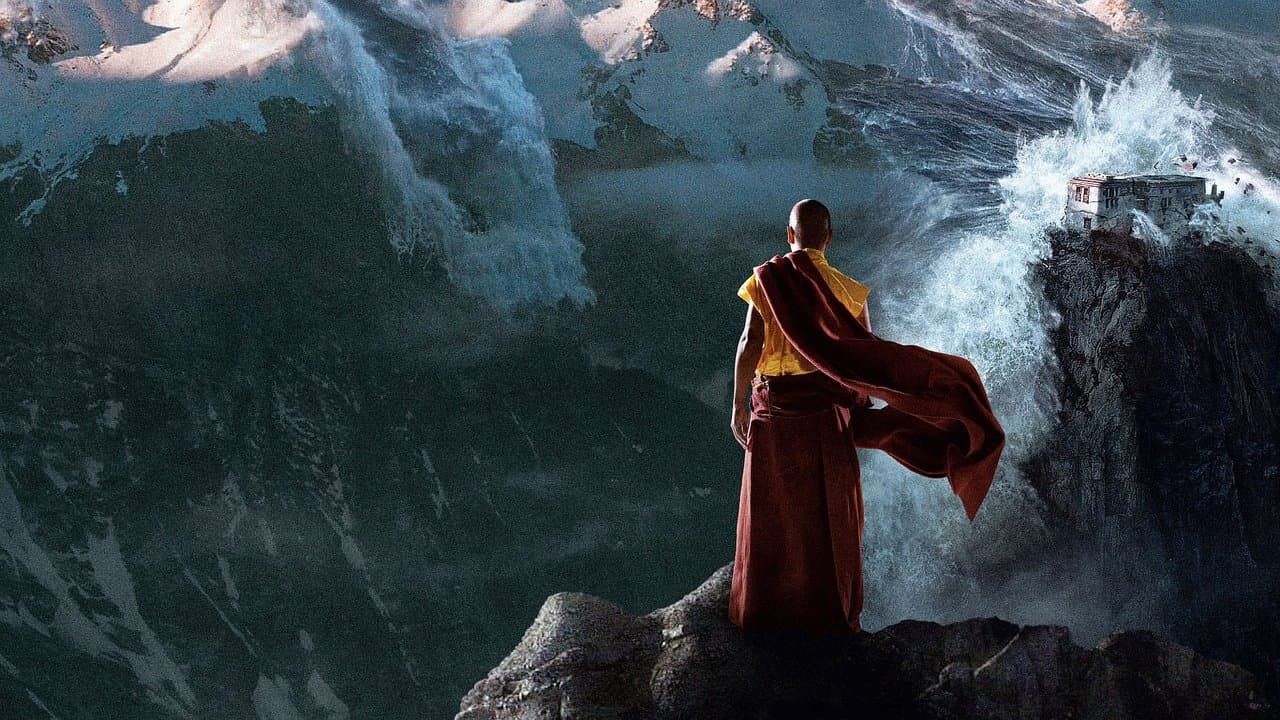
The comparisons are hard to ignore. In Emmerich’s high-octane blockbuster, the world’s geological foundations turn traitor. Massive earthquakes swallow cities whole, supervolcanoes paint the sky in shades of ash, and, most relevant to today’s headlines, mega-tsunamis crash over the Himalayas with the kind of fury reserved for the end of days. That last bit - walloping the world’s highest mountain range with ocean-like surges - is what’s striking a nerve now. Real-world footage coming out of Nepal shows valley towns submerged, rivers transformed into churning, brown highways of destruction, and entire communities clinging to rooftops. The visual parallels to the film’s CGI spectacle are uncanny, and the internet, as it always does, has run with it.
Social media timelines are now a chaotic mix of genuine grief for the victims and surreal "I can't believe this is real" posts. "Fiction has become reality," is the recurring, chilling refrain, as users share side-by-side comparisons of stills from the film and news photos of the flooding. It’s a strange coping mechanism, a way to process a horror that feels too large for the everyday news cycle. The film, for all its melodrama, tapped into a primal fear: the idea that the ground beneath our feet - and the sky above - can simply turn on us.
For those who haven't revisited it in a while, 2012 is peak Roland Emmerich. It’s the same guy who blew up the White House in Independence Day and froze the world in The Day After Tomorrow, so you know subtlety is not in his vocabulary. The plot is gloriously bonkers: scientist Dr. Adrian Helmsley, played with earnest gravity by Chiwetel Ejiofor, discovers that solar radiation is cooking the Earth's core. He warns President Thomas Wilson, portrayed by the ever-stately Danny Glover, that the planet’s crust is about to become a giant game of Jenga. The solution? Build a fleet of massive "arks" to save a fraction of humanity, while the rest of us get front-row seats to the greatest light show in history.
Meanwhile, you've got John Cusack in full action-hero mode as writer Jackson Curtis, who stumbles onto the same terrifying information and spends the film's 158-minute runtime trying to outrun earthquakes, fireballs, and lava flows in a stretch limo. It’s ridiculous, loud, and utterly compelling. Woody Harrelson shows up as a conspiracy-theorist radio host named Charlie Frost, practically winking at the audience as he shouts about the coming end on his shortwave broadcast. He’s the film’s id, and right now, a lot of people online are feeling like they’re trapped in that role, screaming into the void.
The film’s release date, October 10, 2009, was itself a punchline to a global joke about the Mayan calendar. The movie built its entire marketing campaign around the idea of December 21, 2012, being the final day on Earth. Critics at the time gave it a shrug and a lukewarm nod - its TMDb rating of 5.891/10 suggests audiences found it spectacularly stupid in that enjoyable, summer-blockbuster kind of way. It wasn't meant to be a documentary. It was a massive, expensive special effect.
But now, that fantasy has a grim new context. The tragedy in Nepal isn't a special effect; it's a humanitarian crisis that requires real-world aid, not cinematic winks. Still, the human brain craves patterns, and the side-by-side images are unnerving. The conversation online serves as a stark reminder that nature’s scriptwriters don't care about narrative plausibility. They're writing an epic, and we're just all hoping for a good ending.
So, as the world watches the rescue efforts unfold and the waters slowly recede, the echoes of Emmerich’s film feel less like a prophecy and more like a weird, unsettling mirror. It’s a testament to the power of cinema that a movie so over-the-top can suddenly feel so painfully grounded. And it’s a powerful reminder that while Hollywood can visualise the end of the world, we’re the ones who have to live in the aftermath.
Source: The Times of India